Many projects begin as self-initiated explorations and later evolve into commissions for brand projects, interiors, or architectural spaces.
Other times, I join a larger team to shape concepts, develop specific pieces, and manage their realization from start to finish.
What matters most
Sometimes an existing work is adapted. Other times, the project is developed from scratch. In both cases, the starting point is the same: understanding the context and defining what the work needs to be, not what it should resemble.
Two things shape every commission: timeframe and budget are essential parameters. When they are clear, scale, materials, and complexity can be adjusted accordingly. When they are not, it usually means the collaboration is not the right fit.
The Media
Images and video from my projects have been licensed for TV, web, and print. If you’d like to include my work in your project, just reach out and we can explore licensing options.
Or, if you simply want a print for your space, they’re available on request.
The Stock
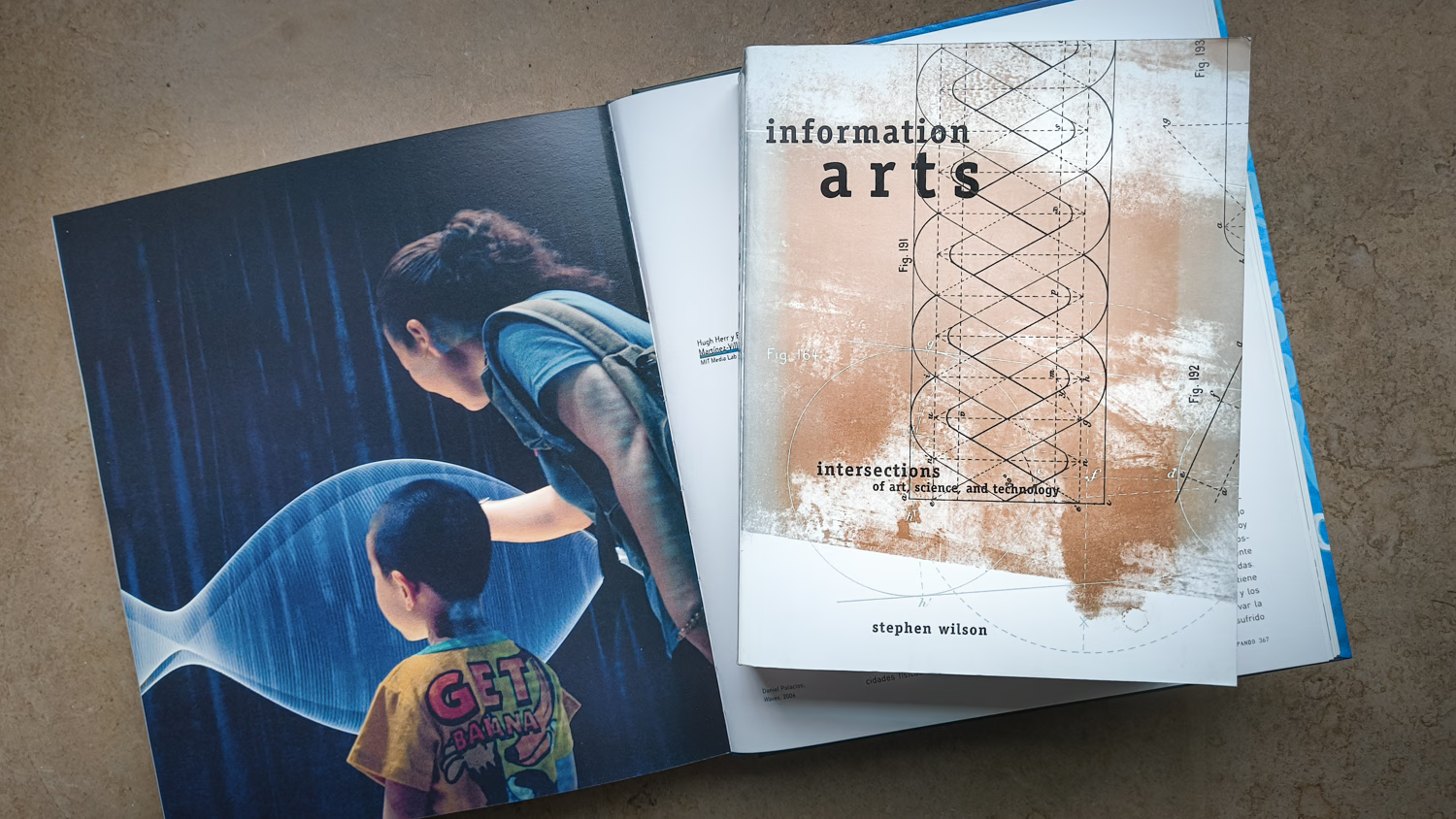
Some works, like Waves or Strata, have been loaned for VIP events, corporate showcases, and temporary exhibitions. A great option when the work already exists, no production needed, just logistics and the right setting.
Let’s see if it’s a good fit.
The Spin-Off
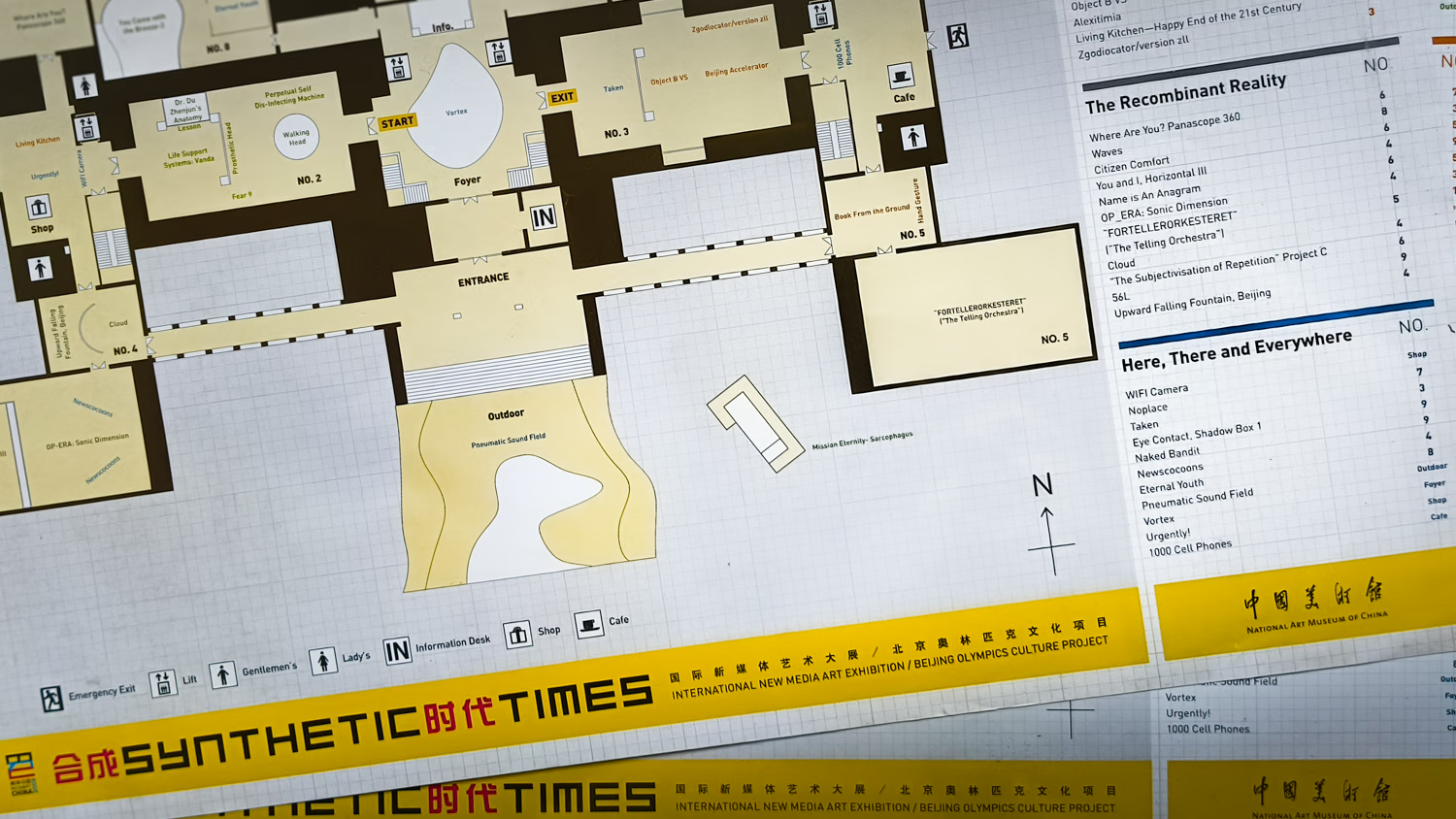
Projects like Waves have been adapted in various formats for major art centers, museums, science institutions, and global brands.
Whether you want something more compact, larger in scale, or tailored to a specific space or theme, I can create a custom version just for you.
The Remake
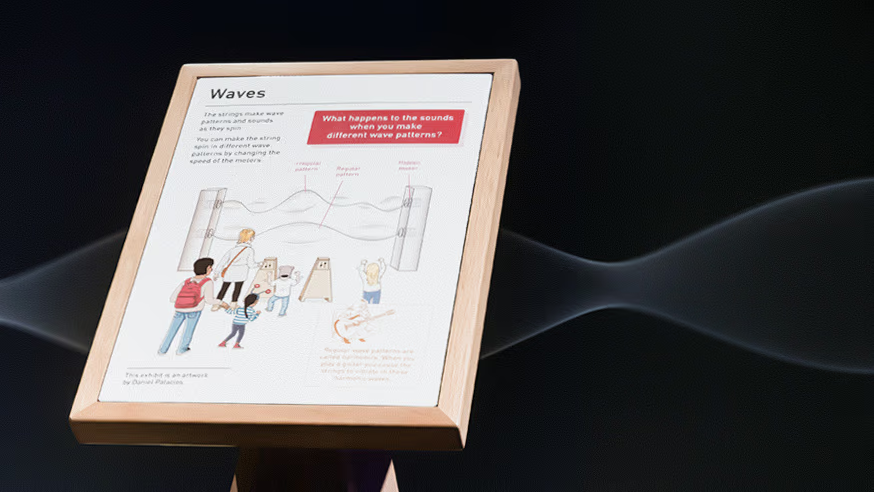
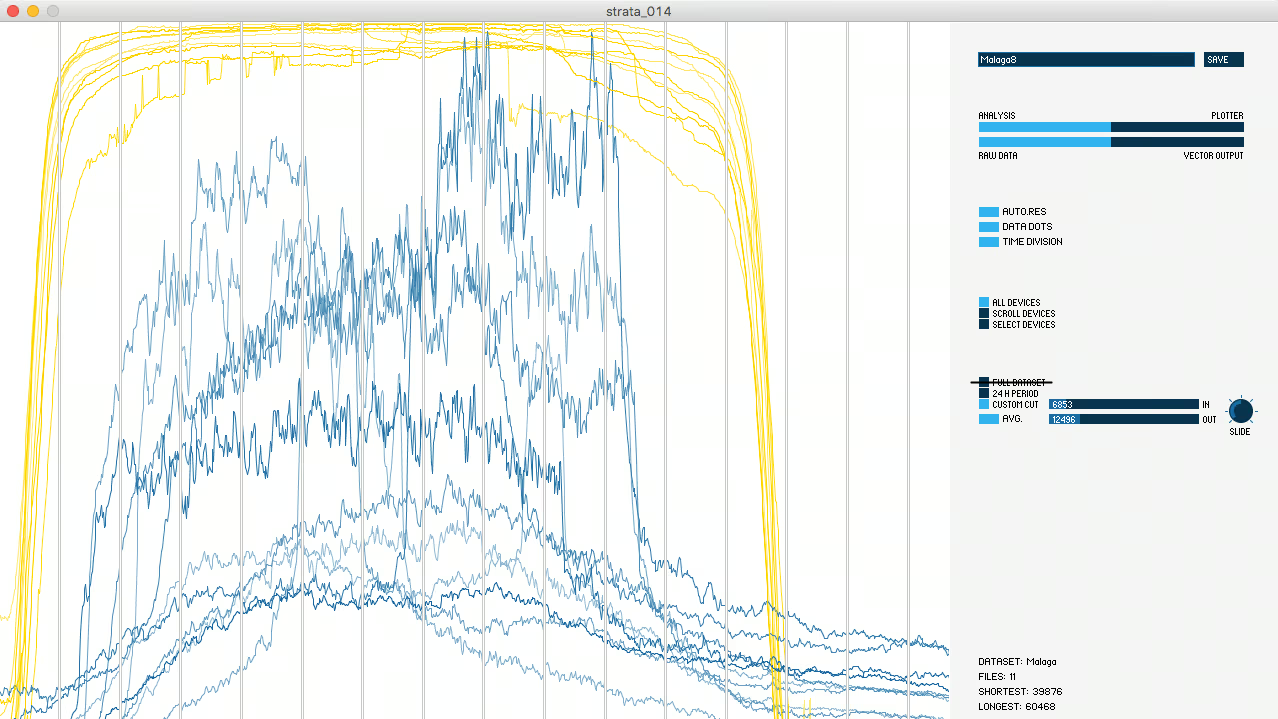
Projects like Receptive Environments or the Strata sculptures are built around site-specific data. This means they can be recreated using input from a new time, place, or event that’s meaningful to you.
You’ll get a new series of works rooted in your own story. Same concept, new skin.
The Original
If my approach resonates with you and you have a unique idea or challenge in mind, let’s talk. Send over a briefing, and I’ll explore how to turn your concept into an entirely new project from the ground up.
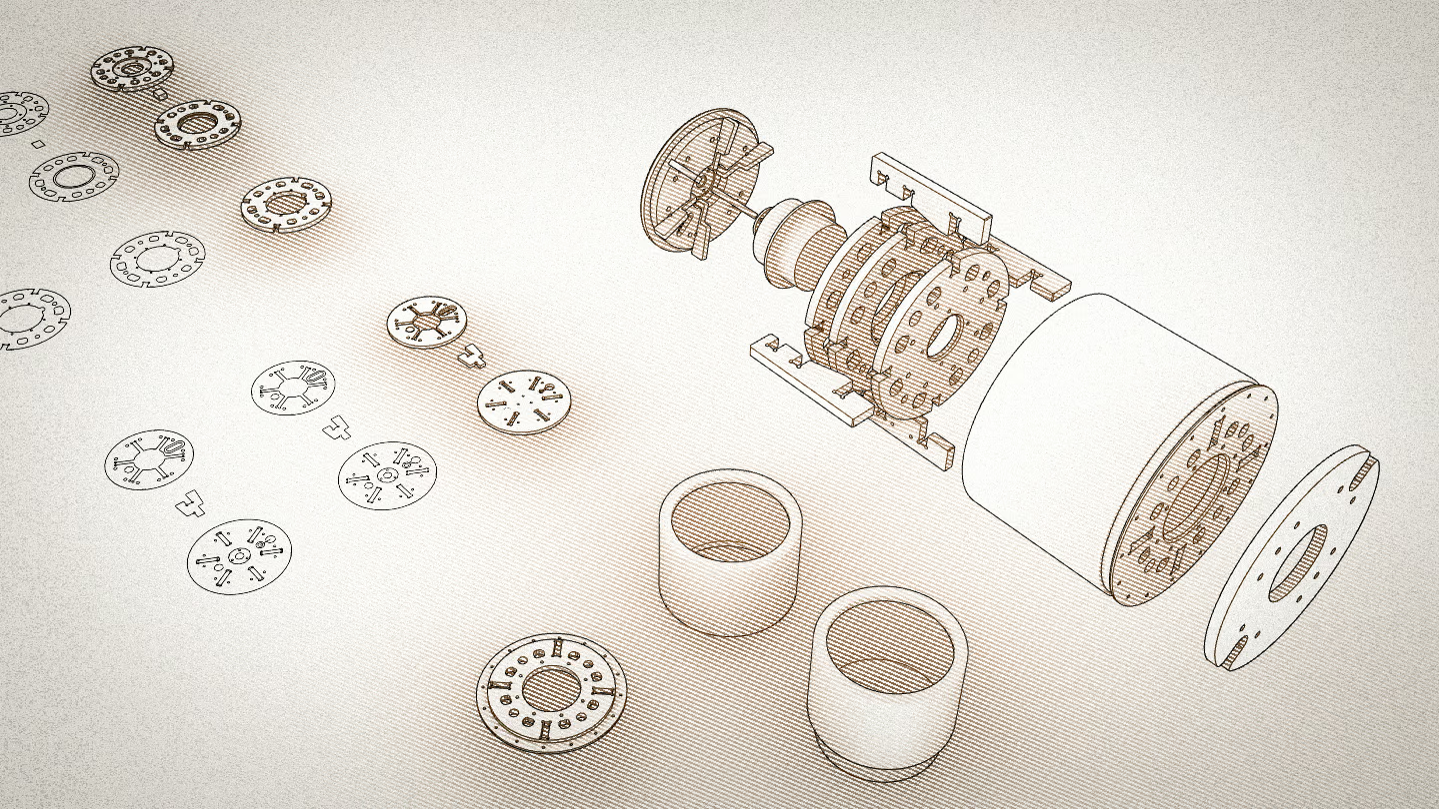
Many projects begin as self-initiated explorations and later evolve into commissions for brand projects, interiors, or architectural spaces. Other times, I join a larger team to shape concepts, develop specific pieces, and manage their realization from start to finish.
Two things shape every commission: timeframe and budget. When they are clear, scale, materials, and complexity can be adjusted accordingly. When they are not, it usually means the collaboration is not the right fit.
The Media

Images and video from my projects have been licensed for TV, web, and print. If you’d like to include my work in your project, just reach out and we can explore licensing options.
Or, if you simply want a print for your space, they’re available on request.
The Stock
Some works, like Waves or Strata, have been loaned for VIP events, corporate showcases, and temporary exhibitions. A great option when the work already exists, no production needed, just logistics and the right setting.
Let’s see if it’s a good fit.
The Spin-Off
Projects like Waves have been adapted in various formats for major art centers, museums, science institutions, and global brands.
Whether you want something more compact, larger in scale, or tailored to a specific space or theme, I can create a custom version just for you.
The Remake
Projects like Receptive Environments or the Strata sculptures are built around site-specific data. This means they can be recreated using input from a new time, place, or event that’s meaningful to you.
You’ll get a new series of works rooted in your own story. Same concept, new skin.
The Original
If my approach resonates with you and you have a unique idea or challenge in mind, let’s talk. Send over a briefing, and I’ll explore how to turn your concept into an entirely new project from the ground up.
FAQ
Yes. Many of my projects evolve into signature pieces for retail spaces, hotel lobbies, or brand events. In these cases, we adapt the scale, materials and/or aesthetic to fit the environment while maintaining the essence of the original concept.
Absolutely. My work makes the most sense integrated into living spaces where it can be experienced daily. Whether it’s a standalone object or a piece that becomes part of the architecture, I work closely with homeowners and their interior designers to ensure it fits the scale and intimate context of a home.
I do not work with rounds of revisions. The initial conversation should define the direction clearly enough before anything is signed, so the concept phase can focus on finding the right formal solution to that shared understanding. Communication stays constant throughout the process, so adjustments happen organically within reasonable constraints.
Small and mid-scale commissions usually require a minimum of three months to fit into the schedule. Large pieces take six months to a year. That said, we’ve also produced weekend-turnaround versions to meet advertising agencies’ timelines, and even flown with a piece as luggage to the other side of the world because it was faster than express shipping. It depends entirely on context.
I’ve worked on projects ranging from a few thousands to well above six figures. Customization and tight deadlines push costs up. Even a well-tested piece like Waves can vary widely depending on scale, materials, and installation needs. This is why I prefer asking for your budget bracket and working from there. Clear numbers lead to better decisions and faster paths forward.
Either working on commission ortinkering in the workshop
You get the same technical capacity expected from a production shop,
with the added value of working directly with the artist behind the original ideas.
Either working on commission or tinkering in the workshop
You get the same technical capacity expected from a production shop, with the added value of working directly with the artist behind the original ideas.