The factory as territory
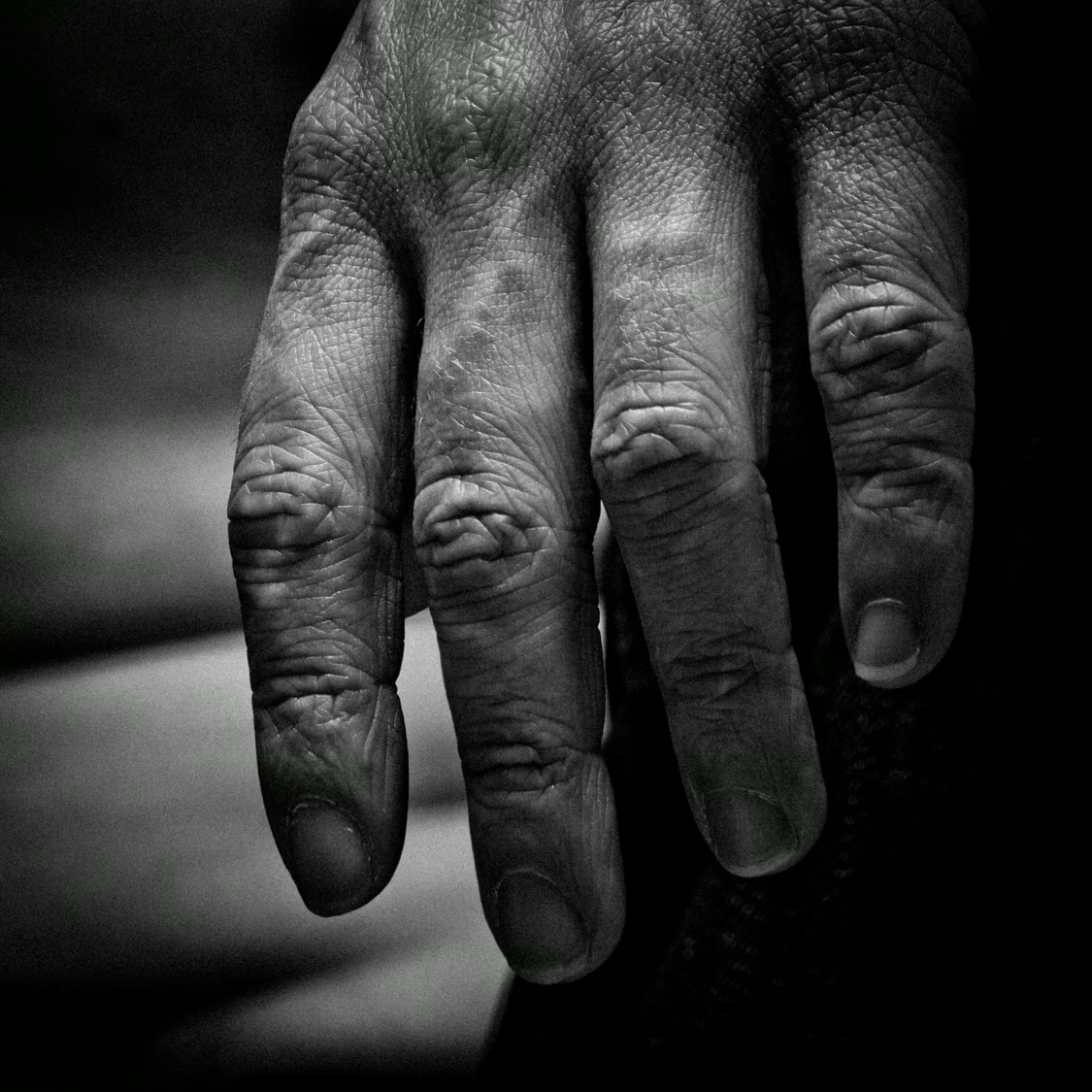
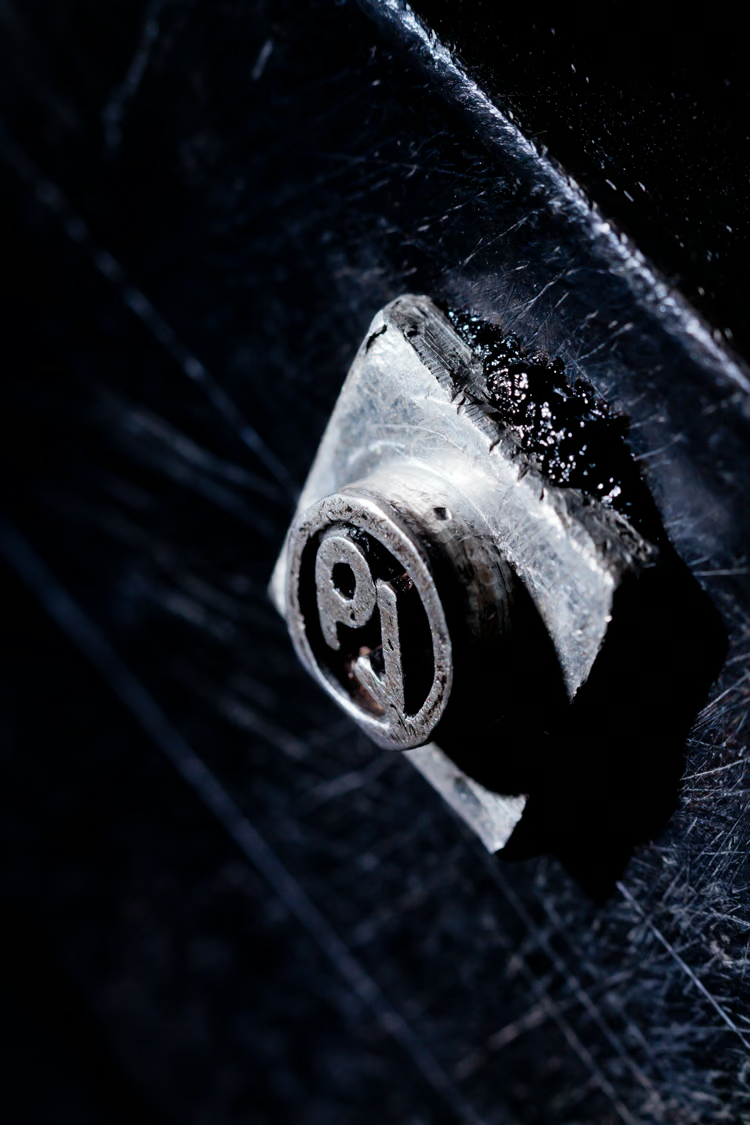
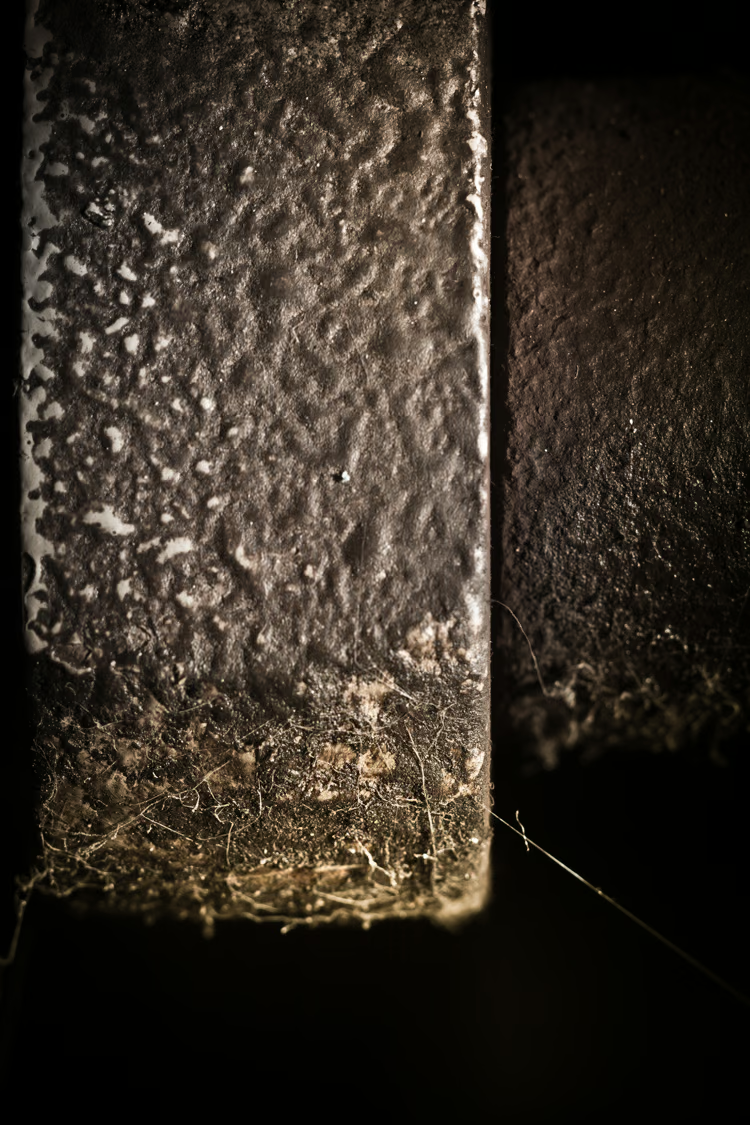
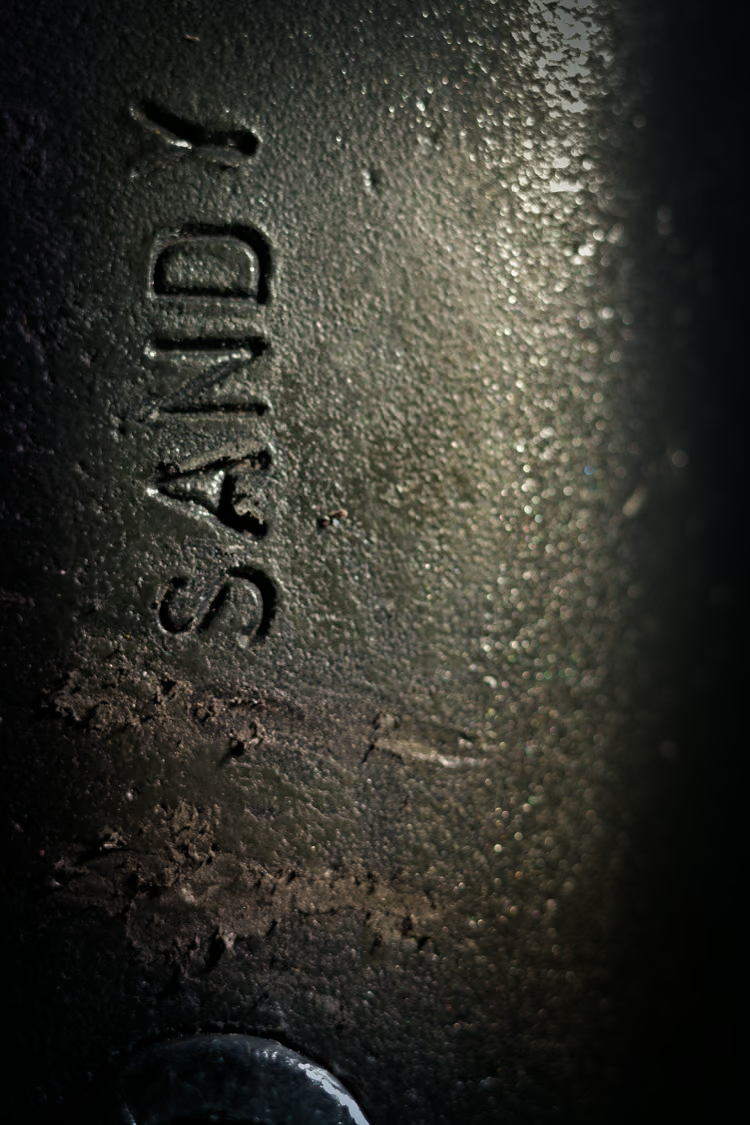
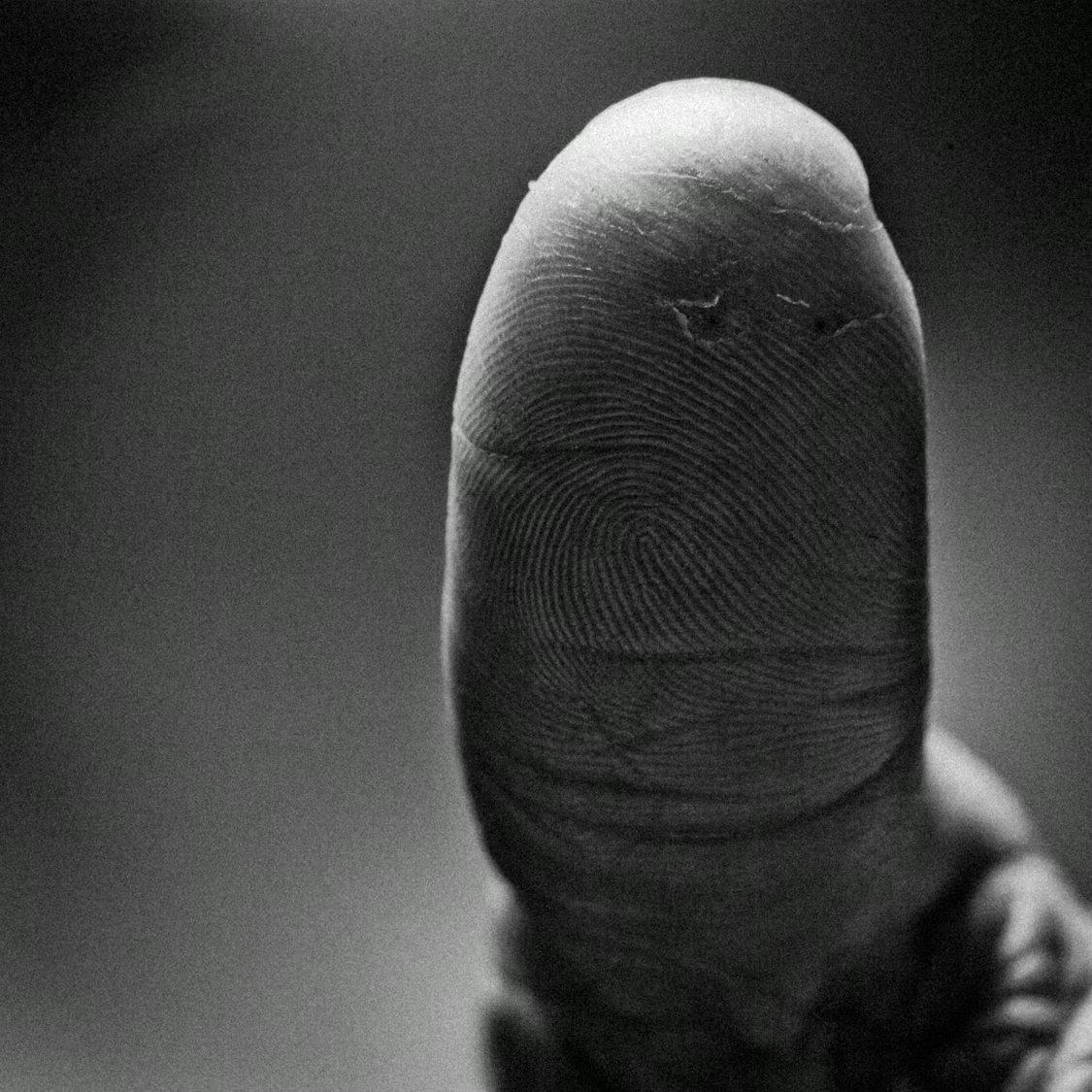
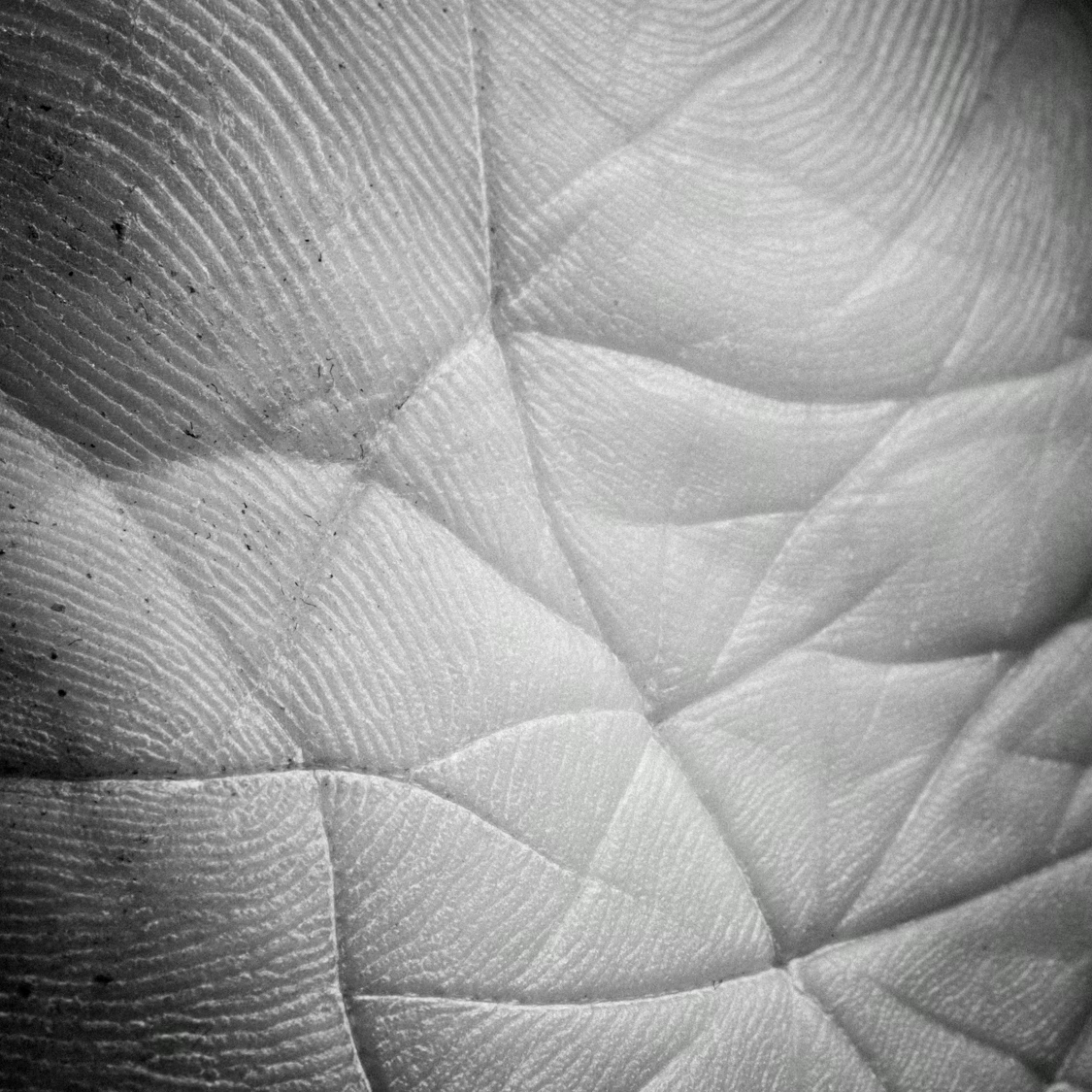
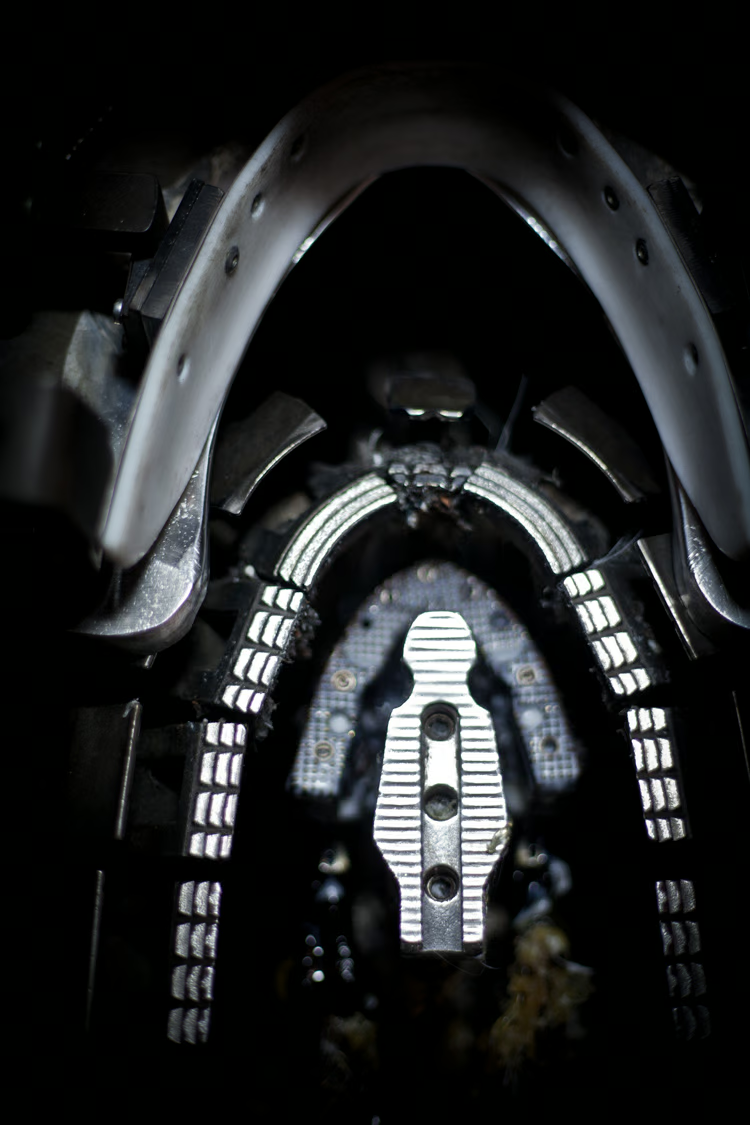
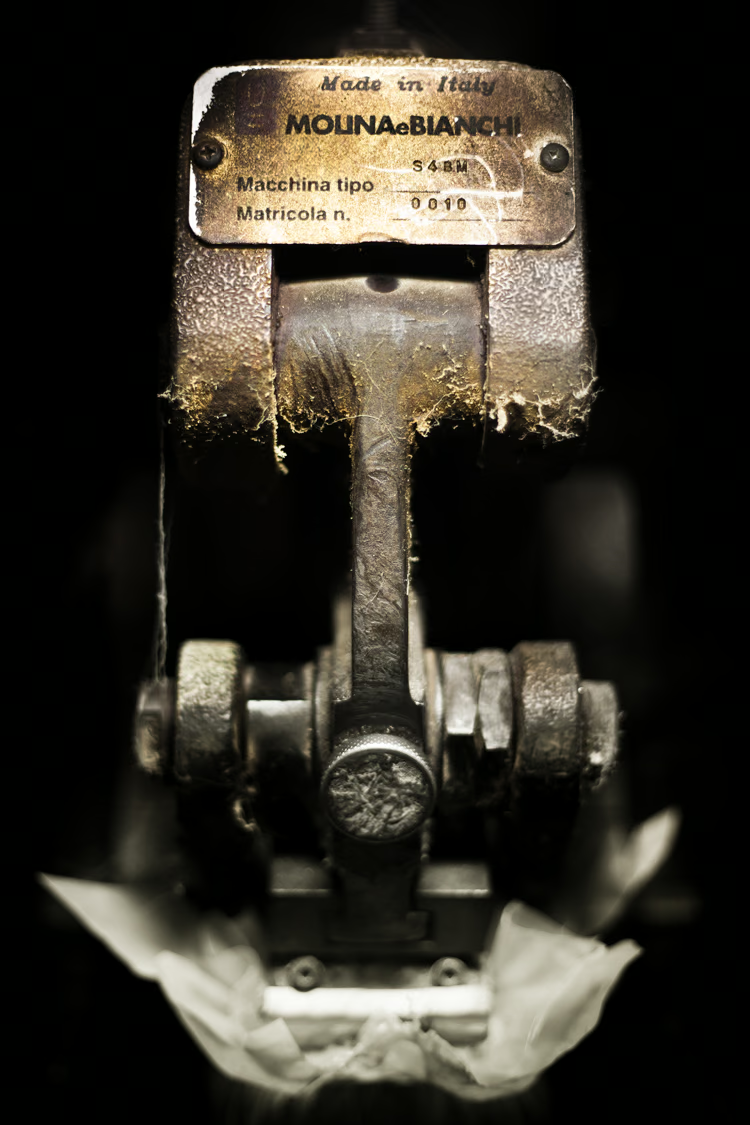
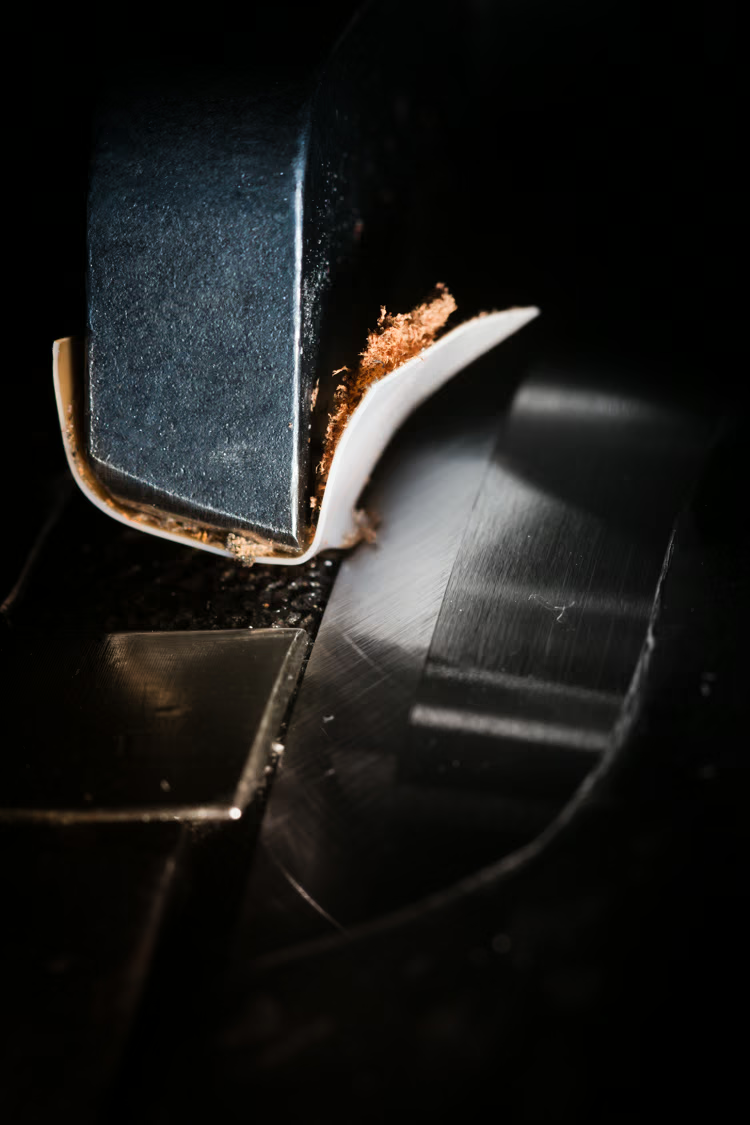
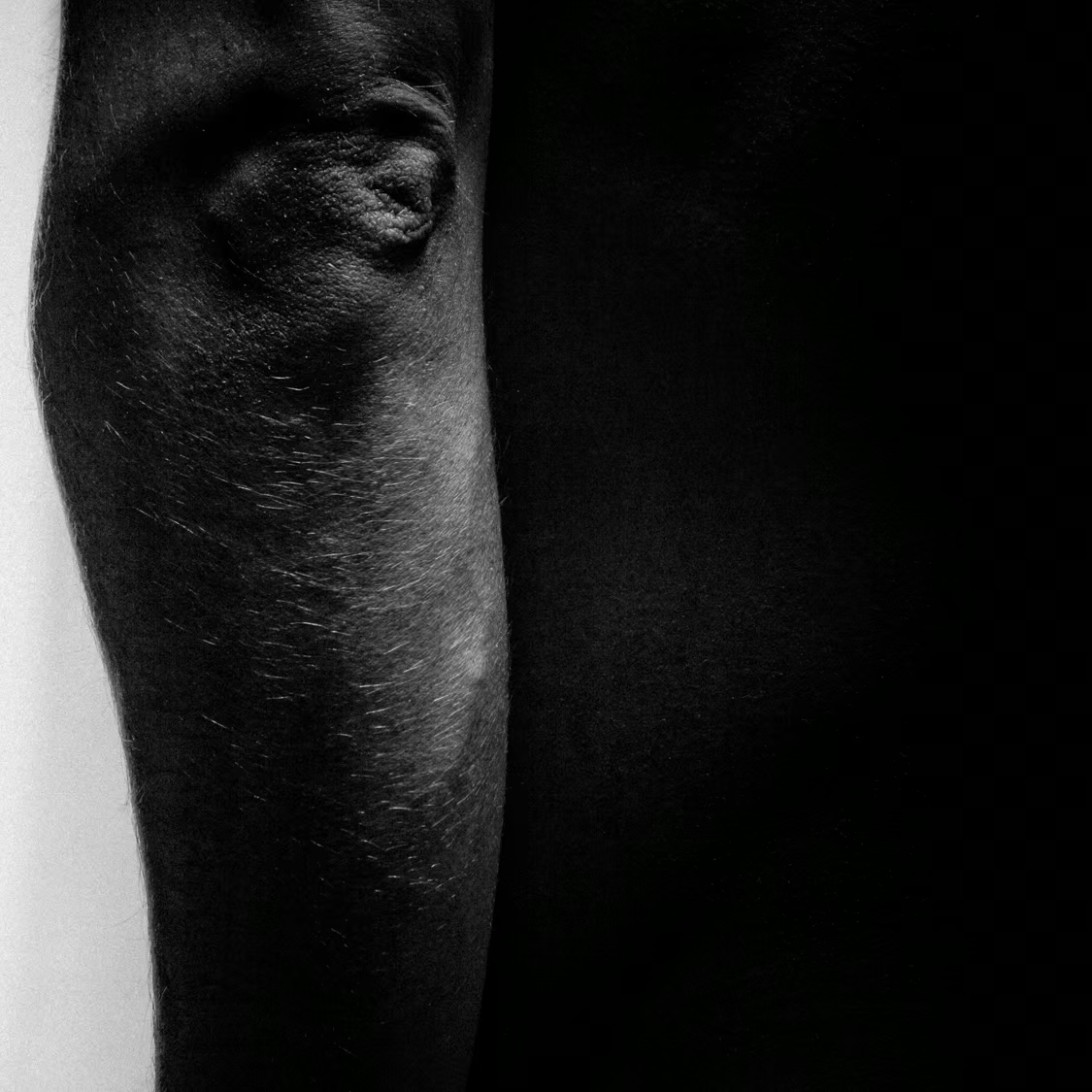
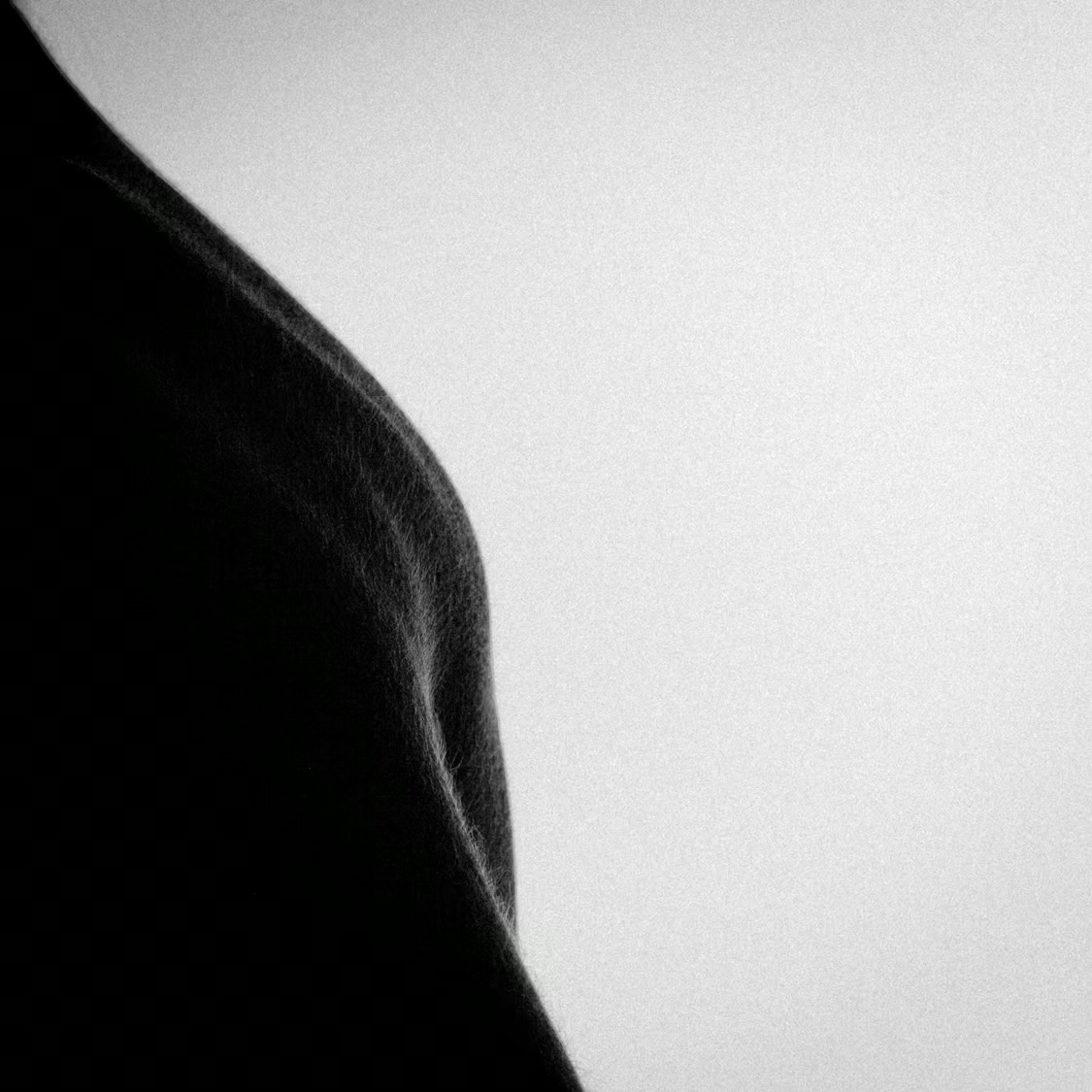
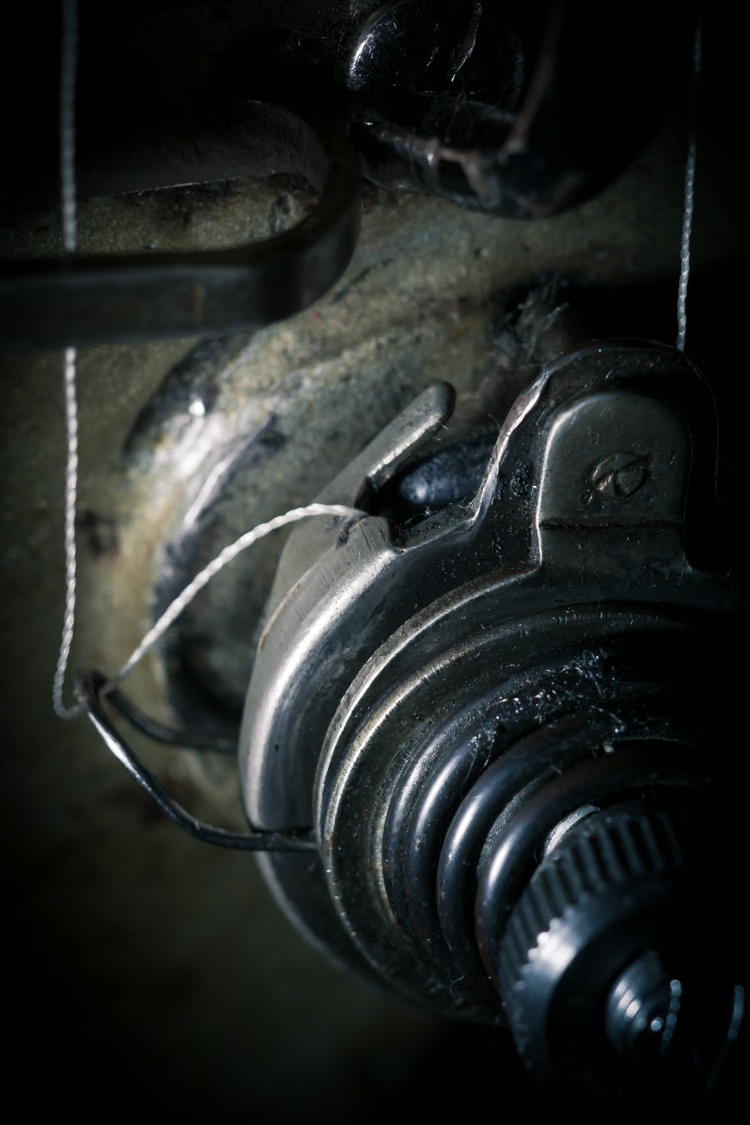
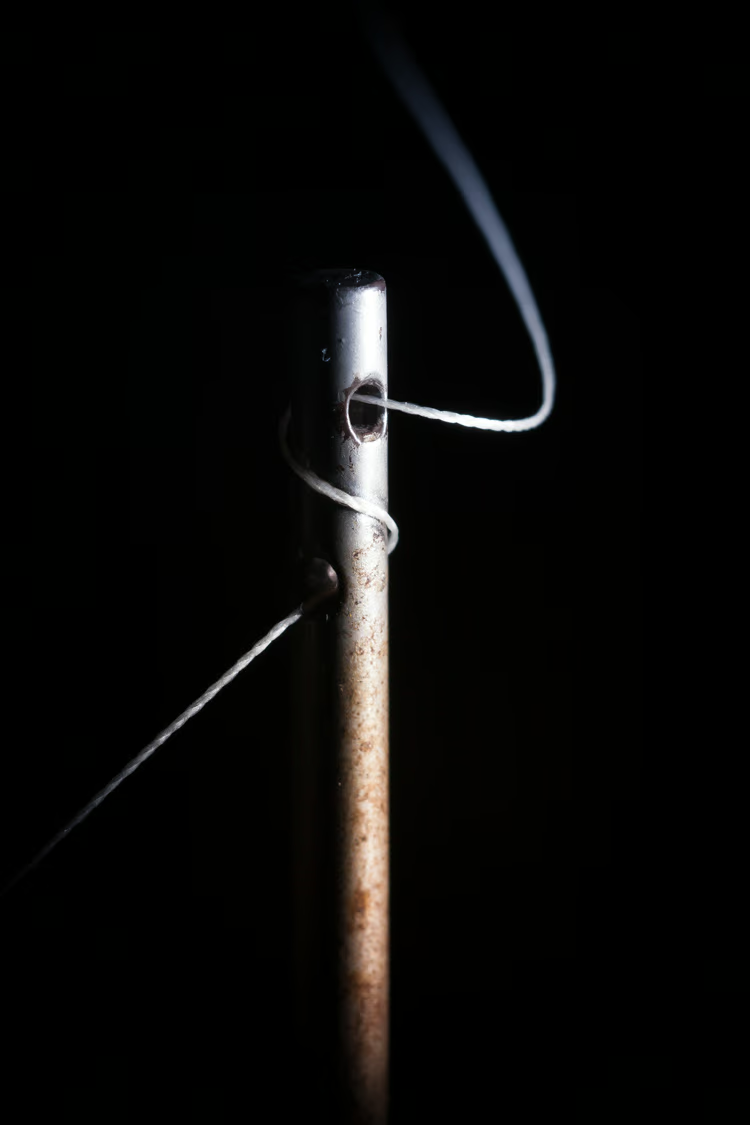
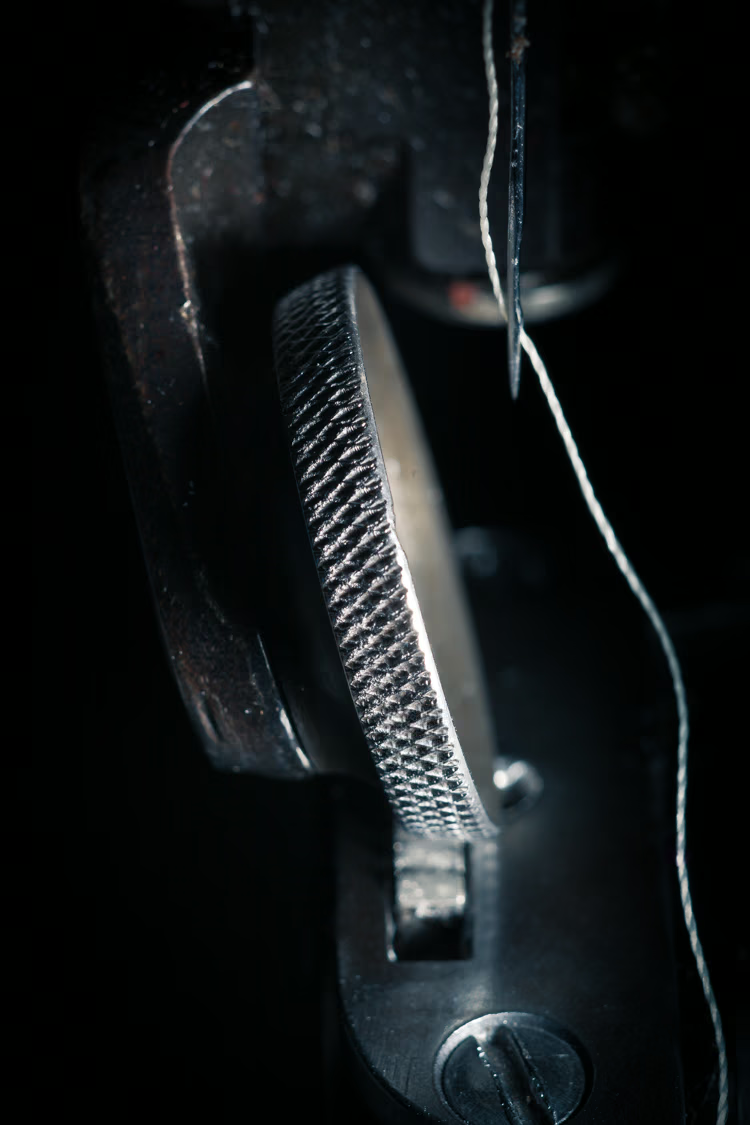
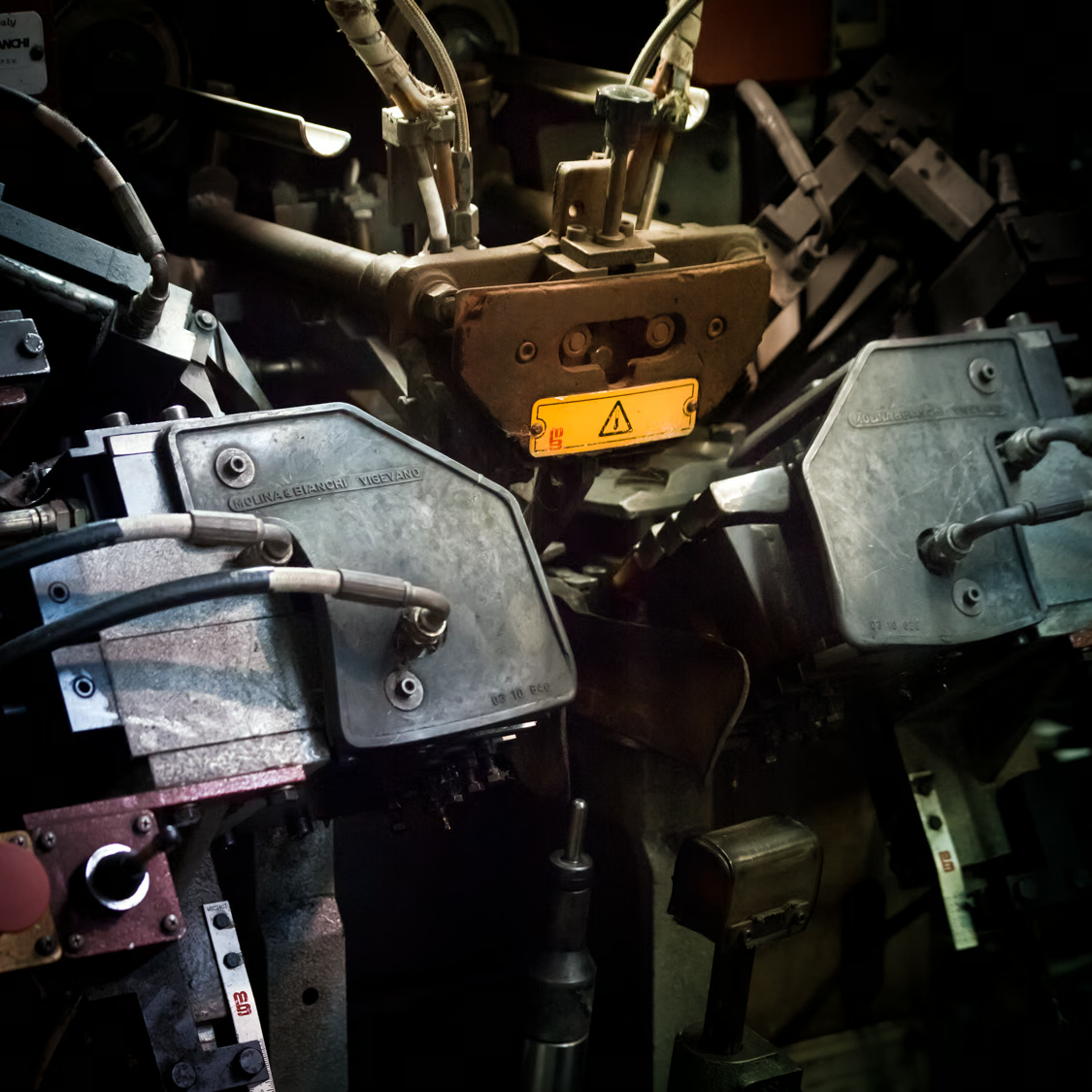
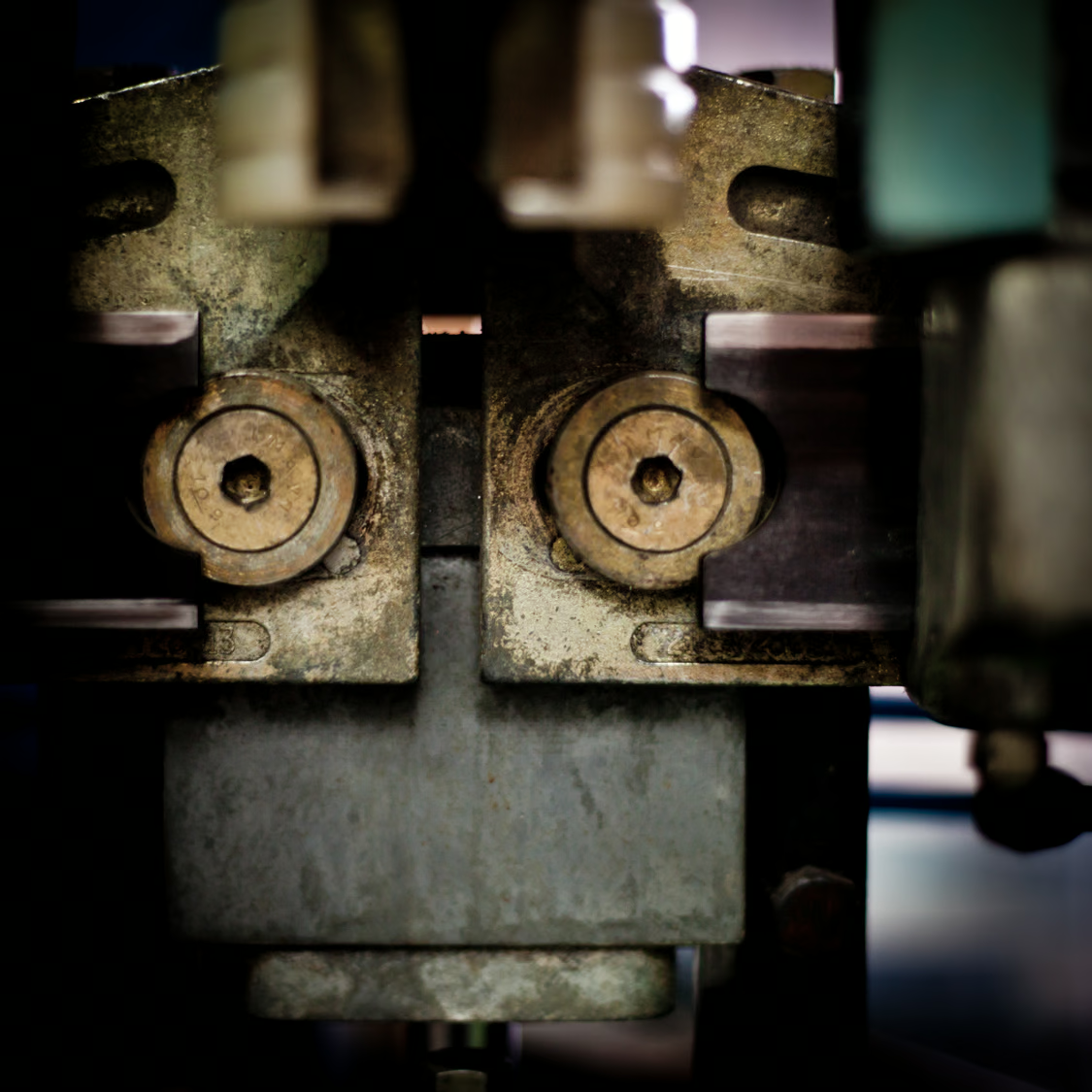
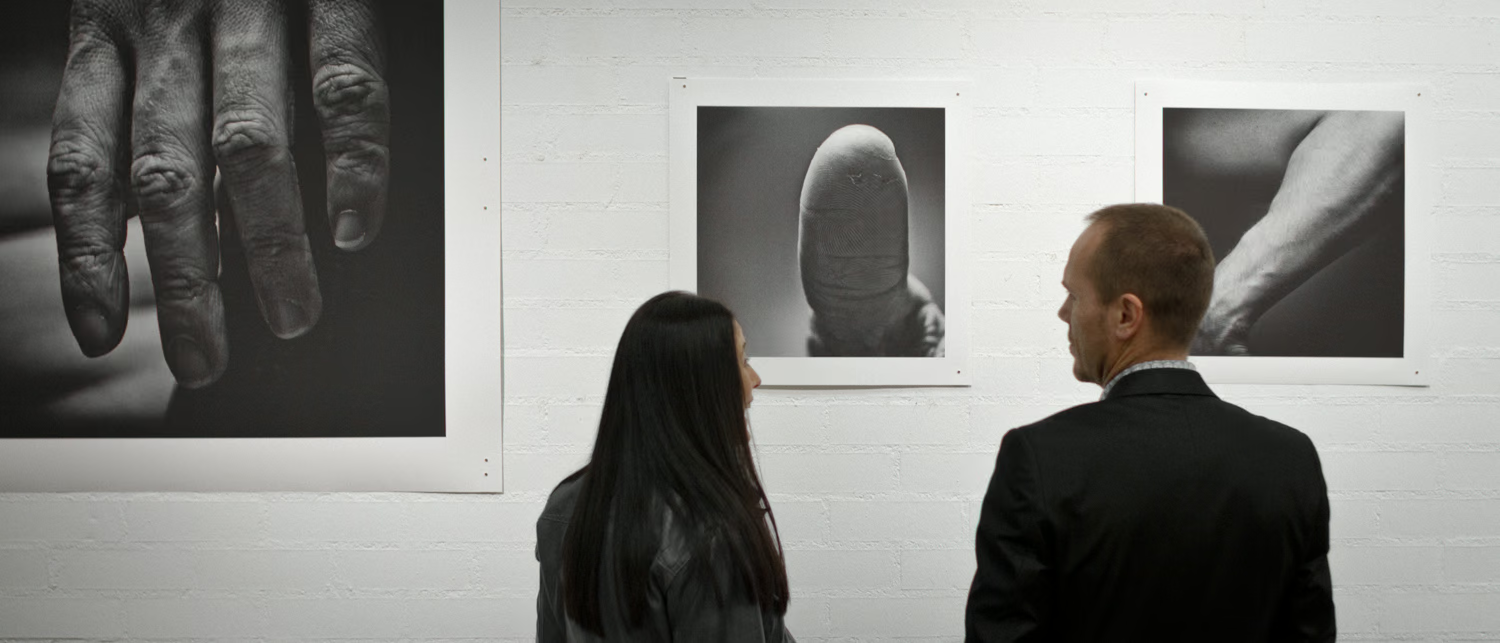
N unfolds inside a factory, treating the industrial environment not as backdrop but as territory. Machines are photographed as portraits, framed and lit as if posing. Scratches, wear, and imperfections accumulate as traces of repetition. Bodies appear fragmented, reduced to joints, skin texture, mechanical gesture. The subject of each is inverted. Gesture and routine merge.
The boundary between organic and industrial does not disappear. It blurs, revealing how much each has shaped the other.
Machine and body

What repetition leaves behind
Actions repeat thousands of times. Processes depend on previous steps. Within that apparent uniformity, subtle deviations appear: a worn surface, a slight variation in touch, a mark that did not exist yesterday. Repetition does not produce identical results. It produces accumulation.
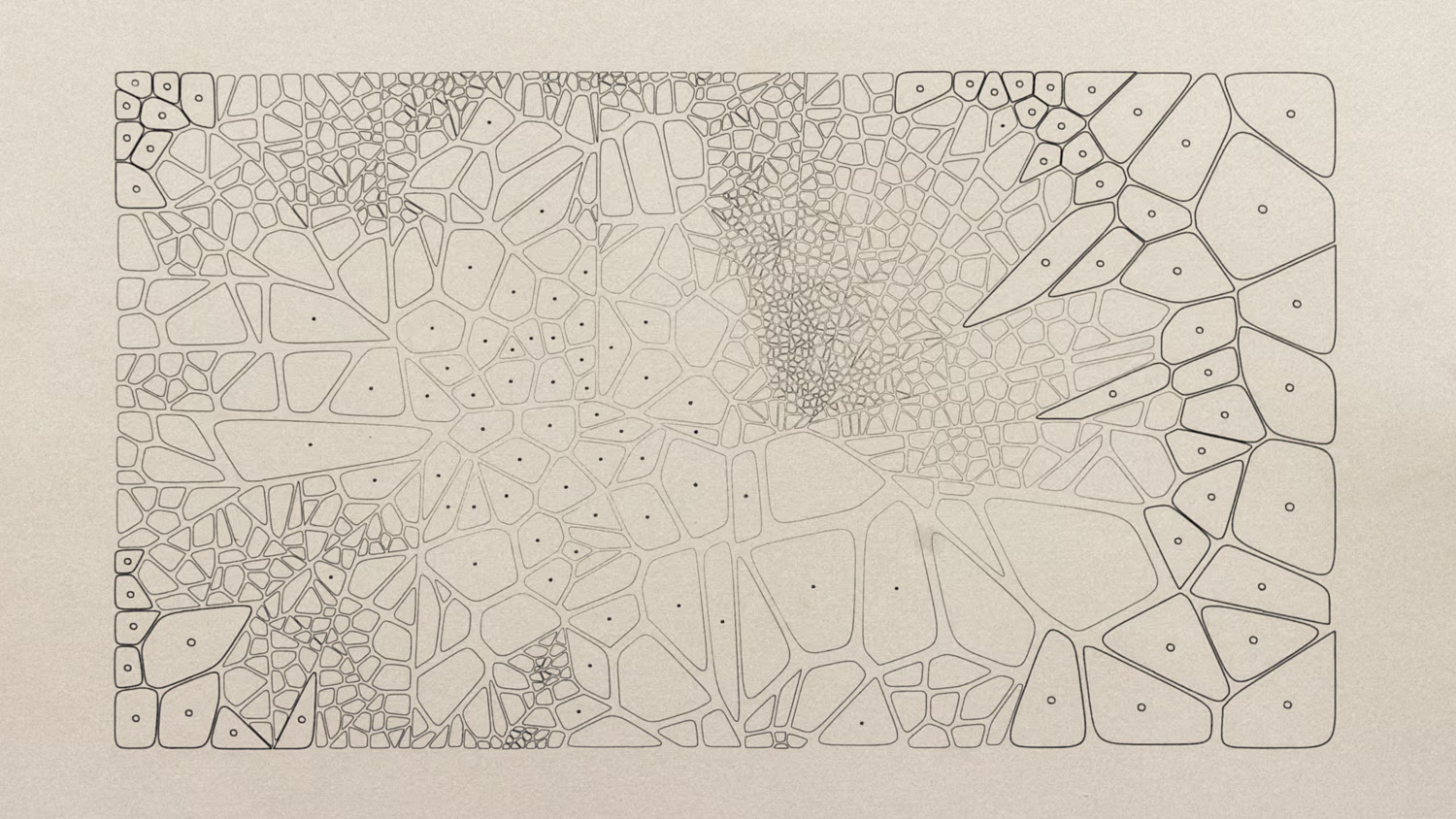
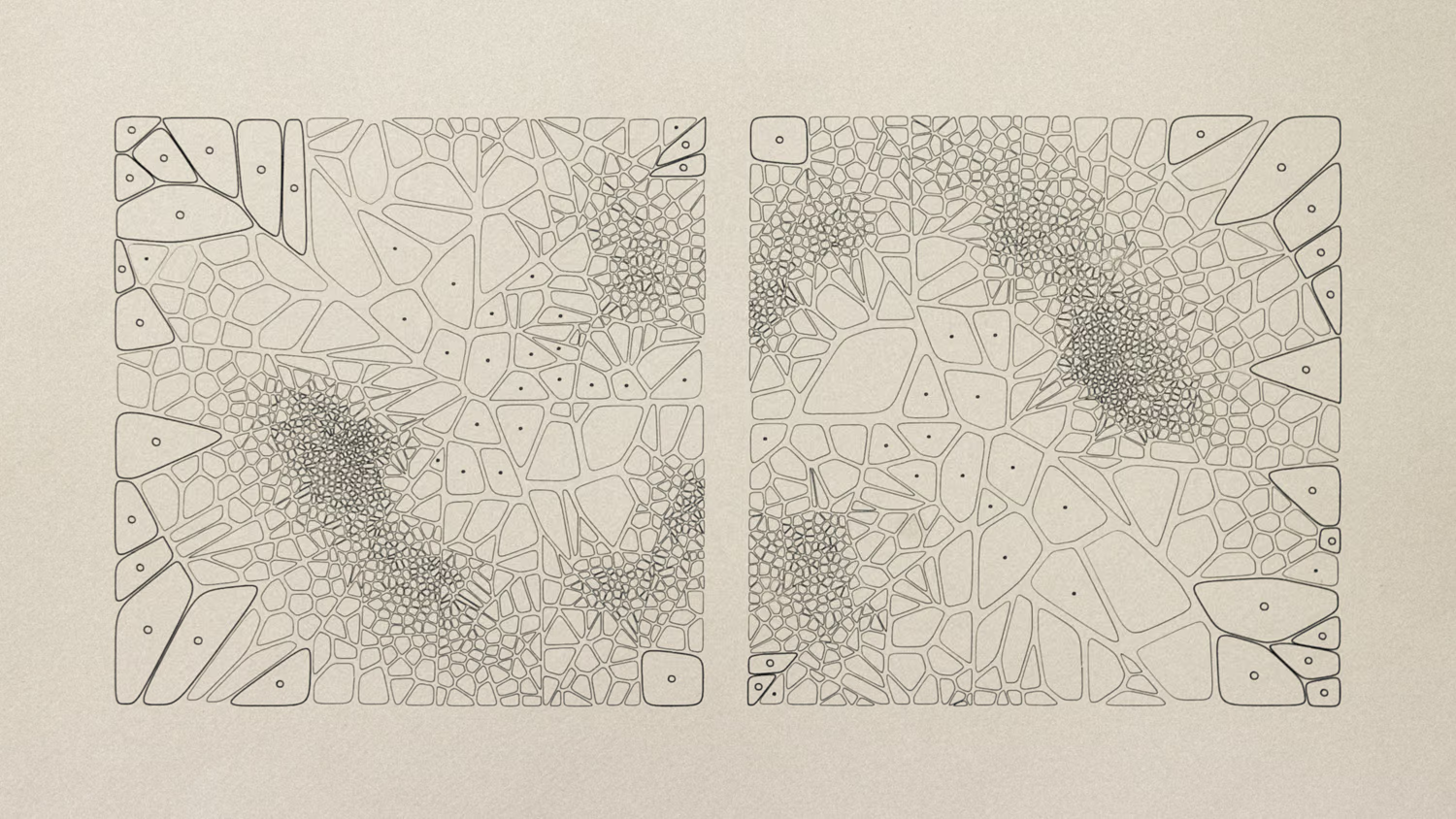
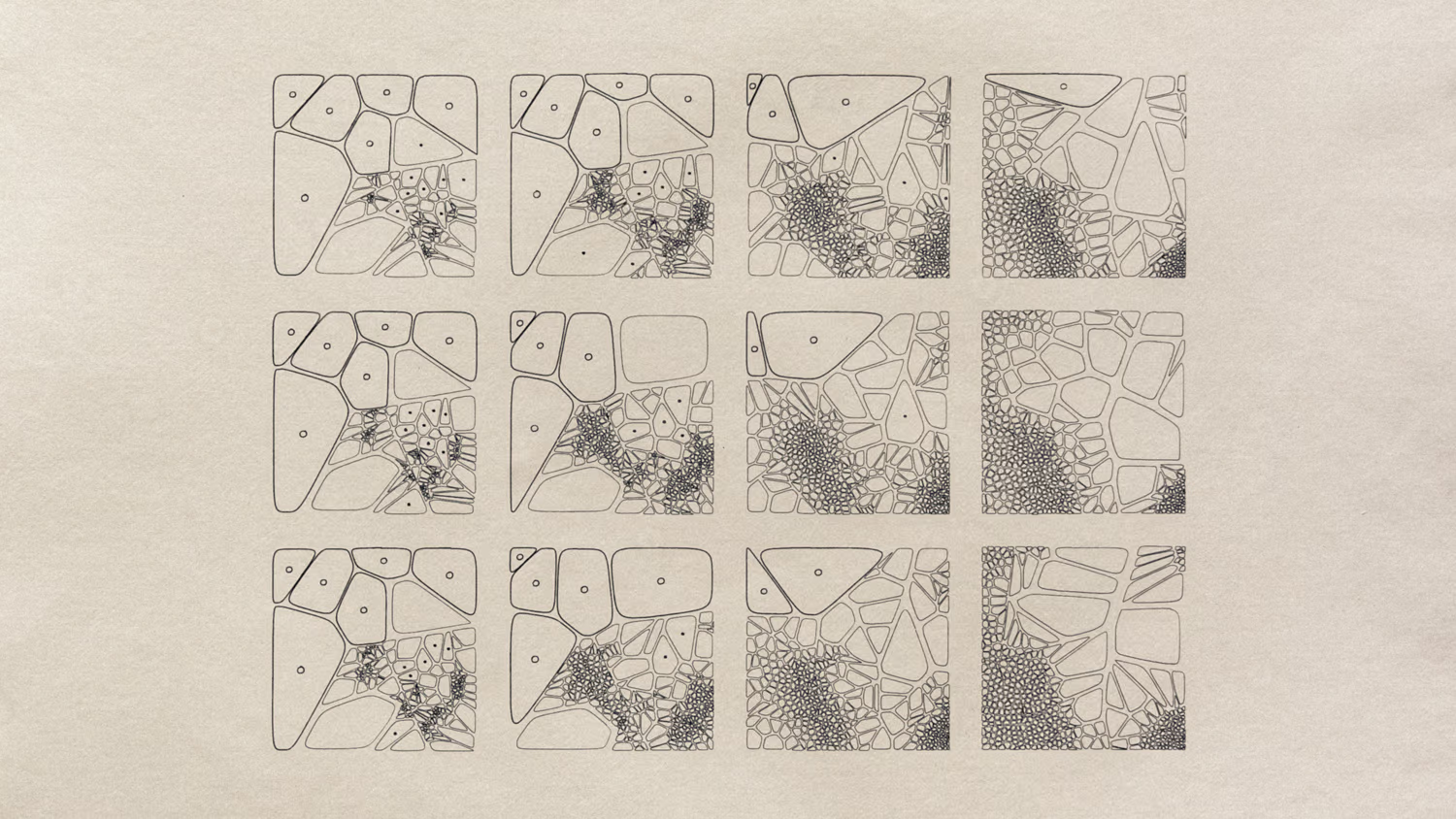
Generative drawings made with a pen plotter evolve alongside the photographs, expanding slowly across paper in patterns that resemble skin. Precision and imperfection coexist. The drawings are not illustrations of the photographs. They are parallel explorations of the same question: what does a system leave behind over time.
Generative drawings
The book as object
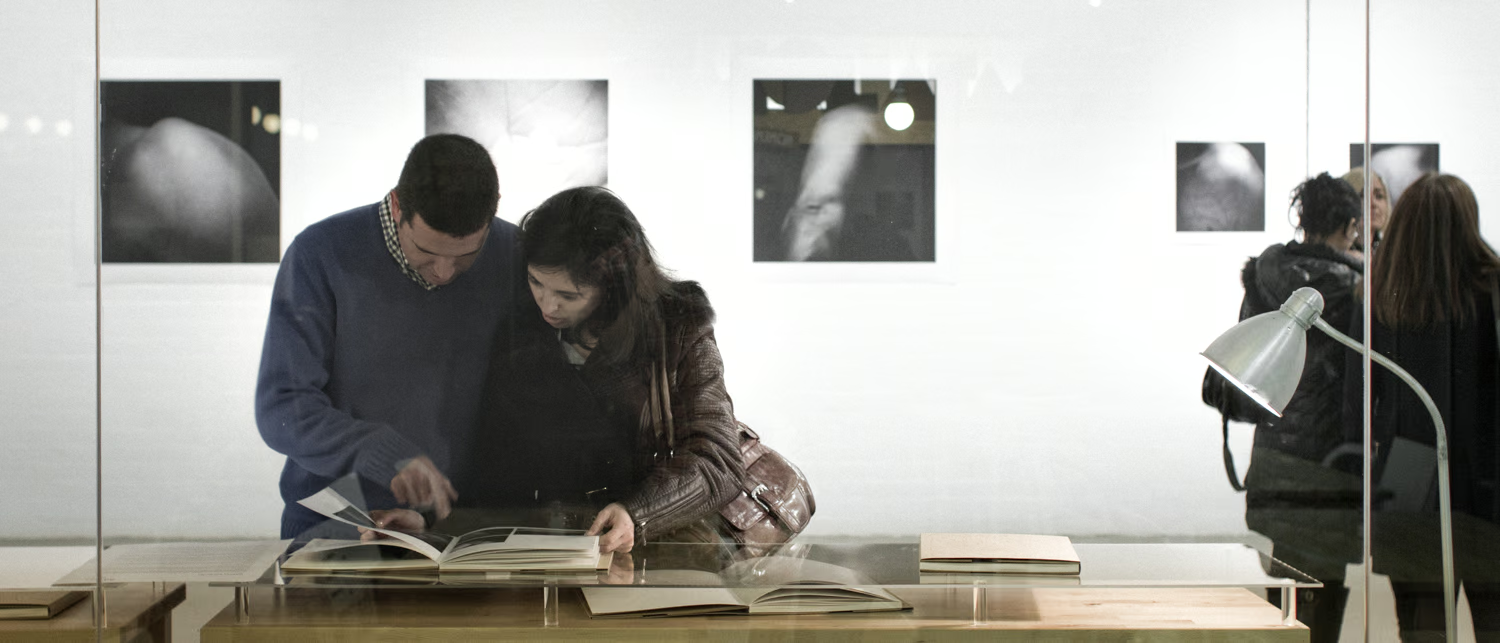
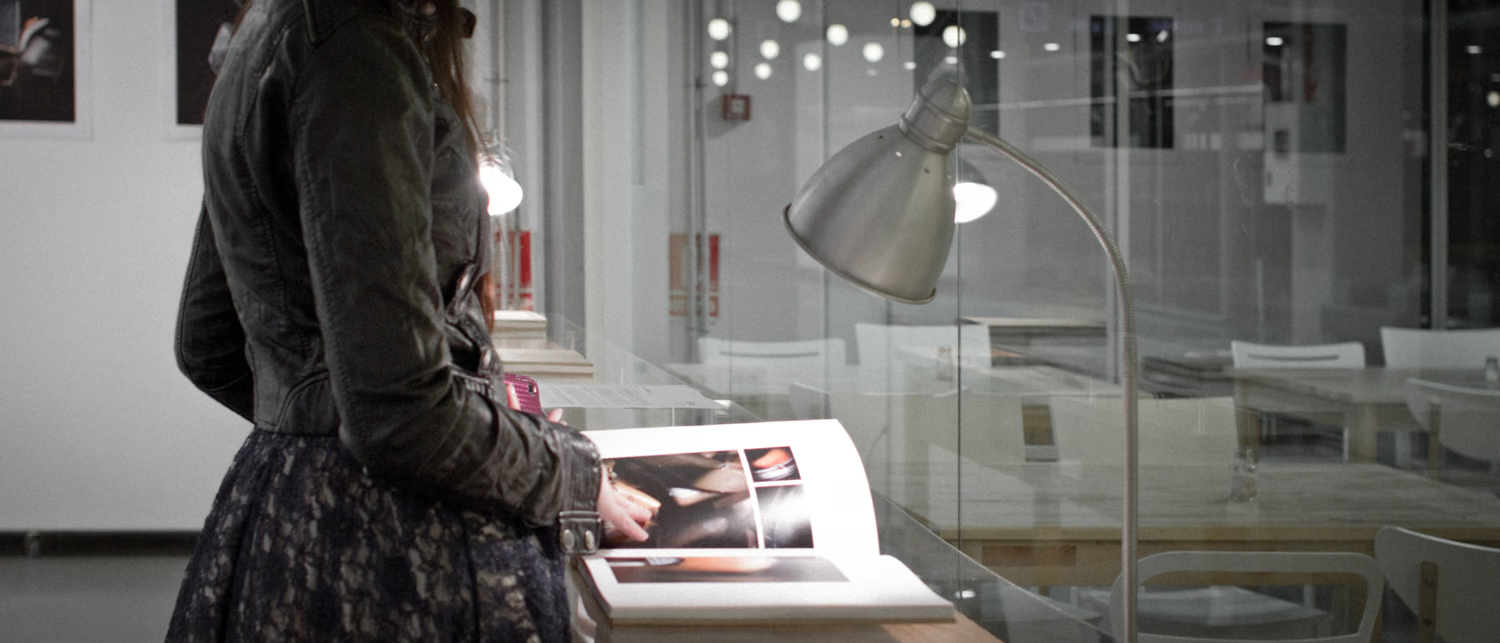
N takes form as a layered project: photographs, generative drawings, and an artist book that gathers them into a physical narrative. The book is not documentation of the exhibition. It is another space where it unfolds.
Each copy carries engravings that differ from the next. The cover is die-cut in the shape of an N. Details accumulate across formats, as they do in the factory, until the object itself becomes a record of its own making.
Artist book
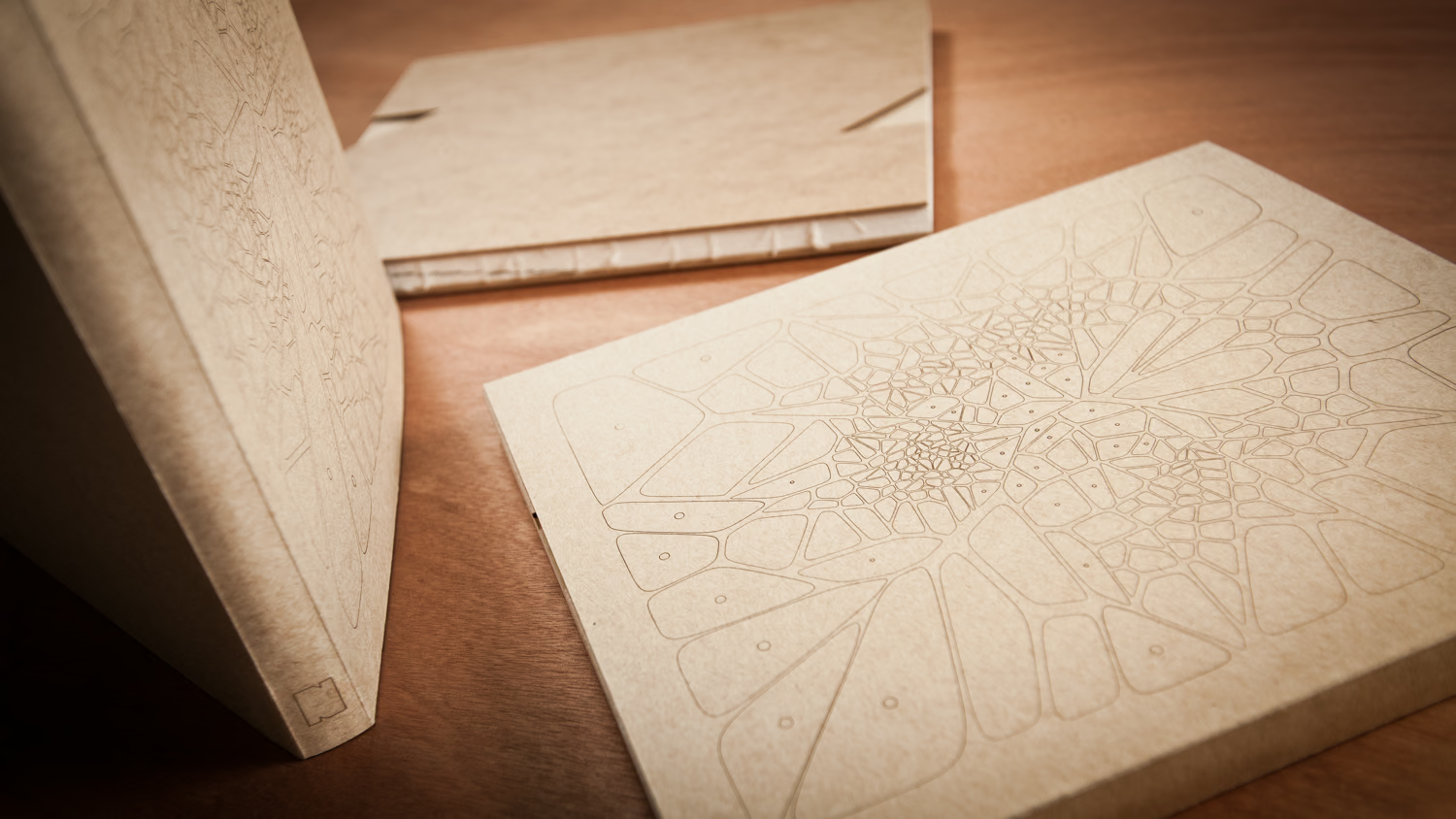
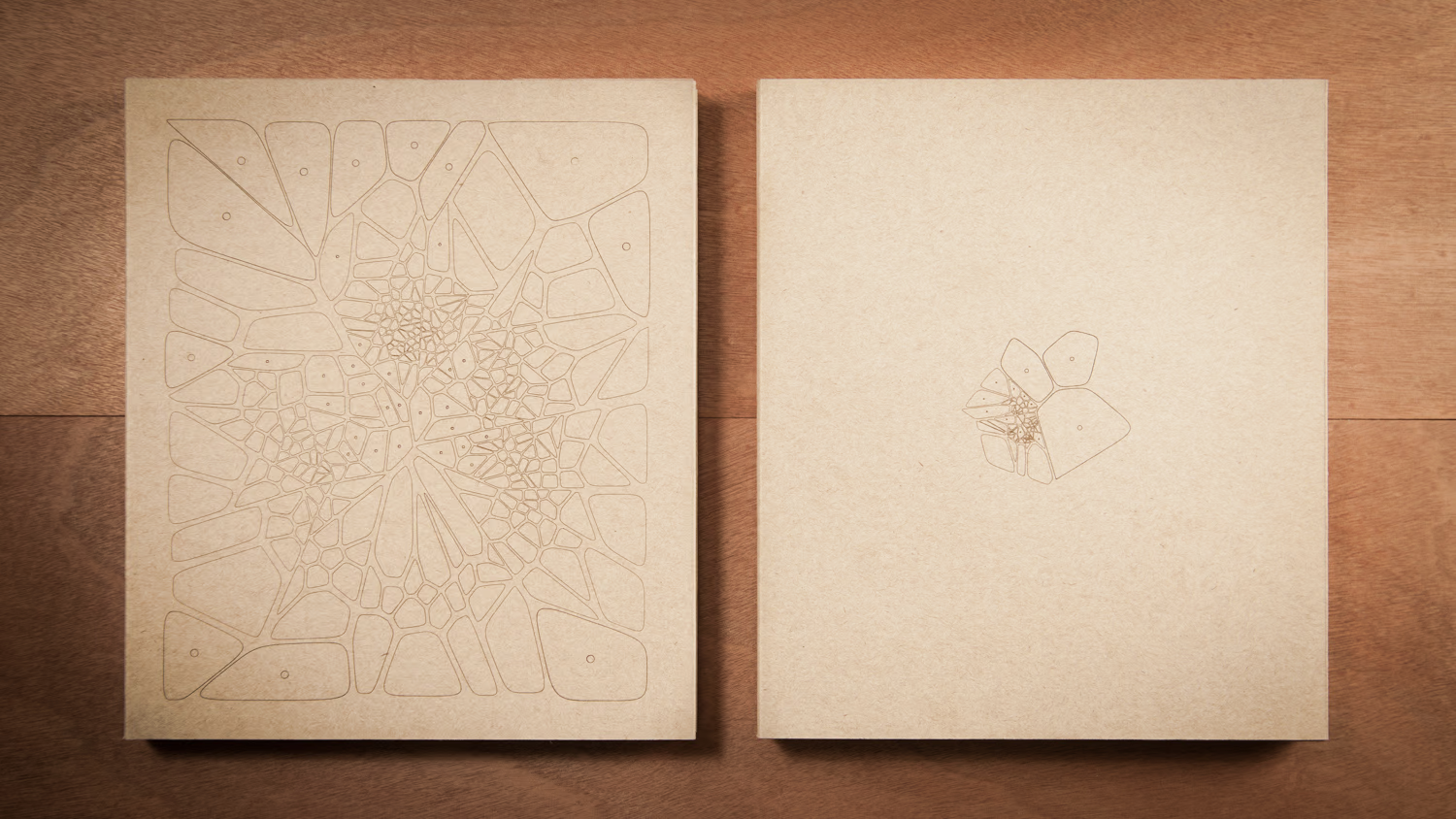
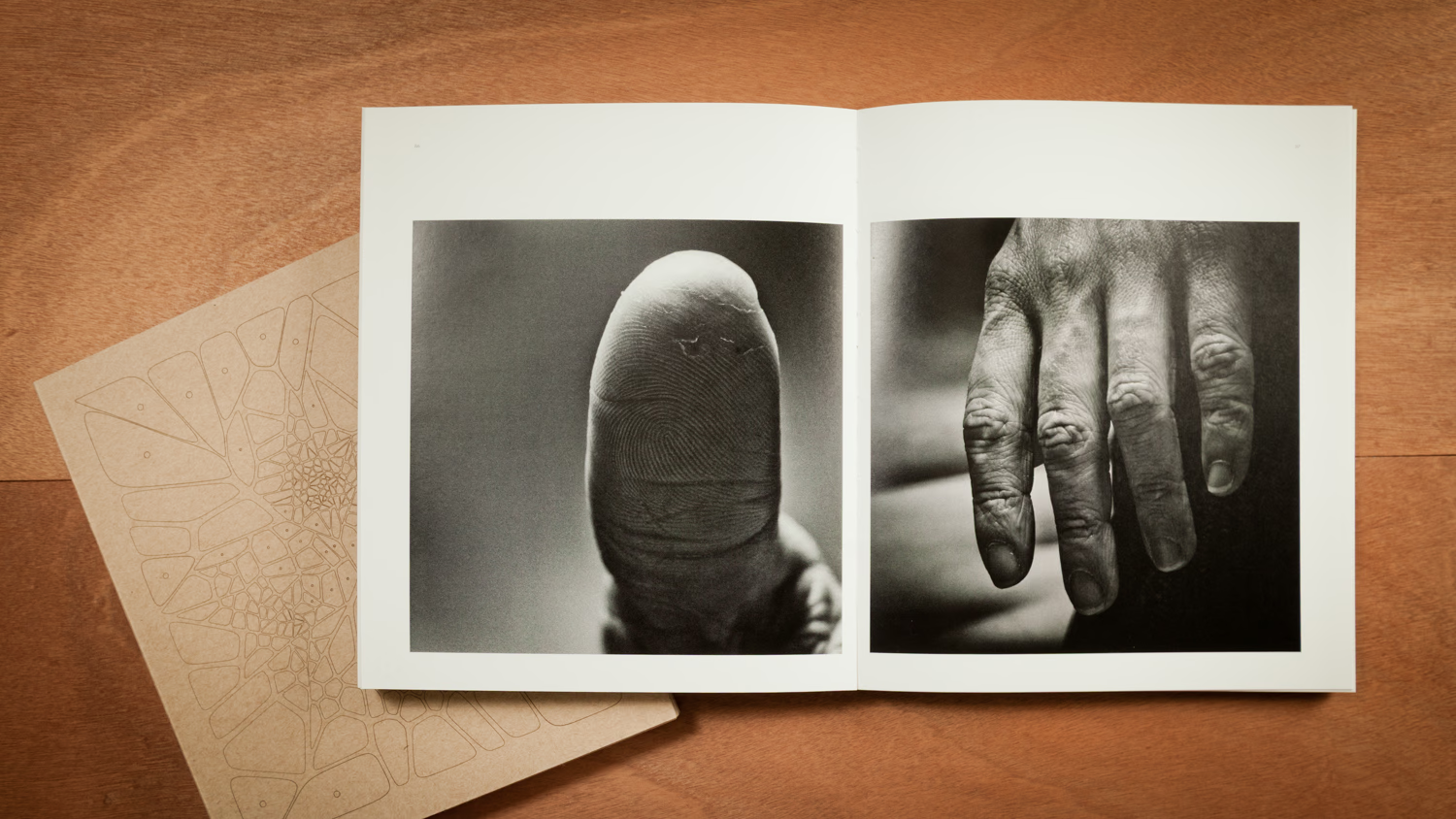
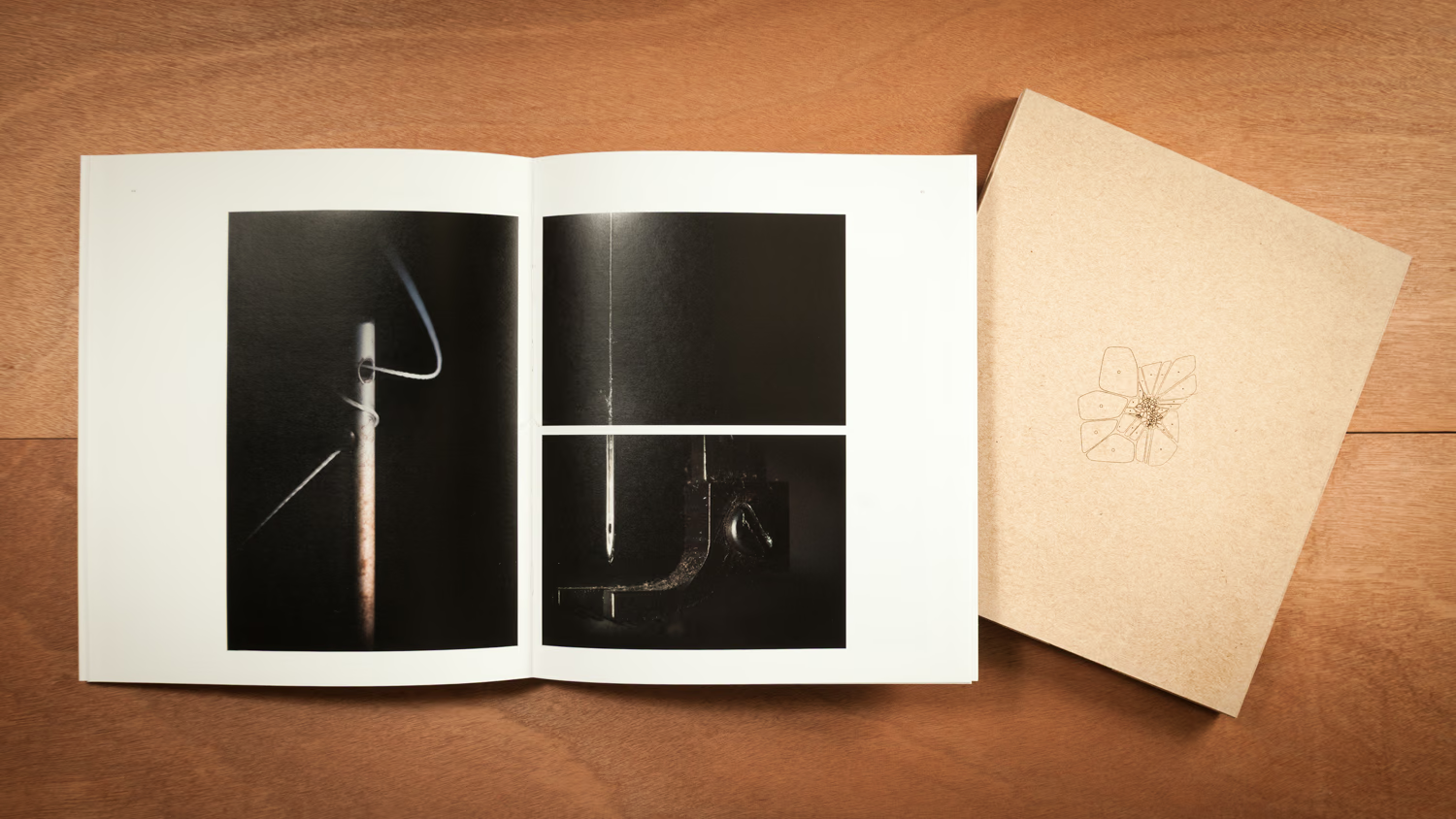
Image as entry point
Photography here is not an end. It is a device that reveals how systems develop over time, how humans and machines shape each other through proximity and routine, and how beauty emerges from detail rather than from grand gestures.
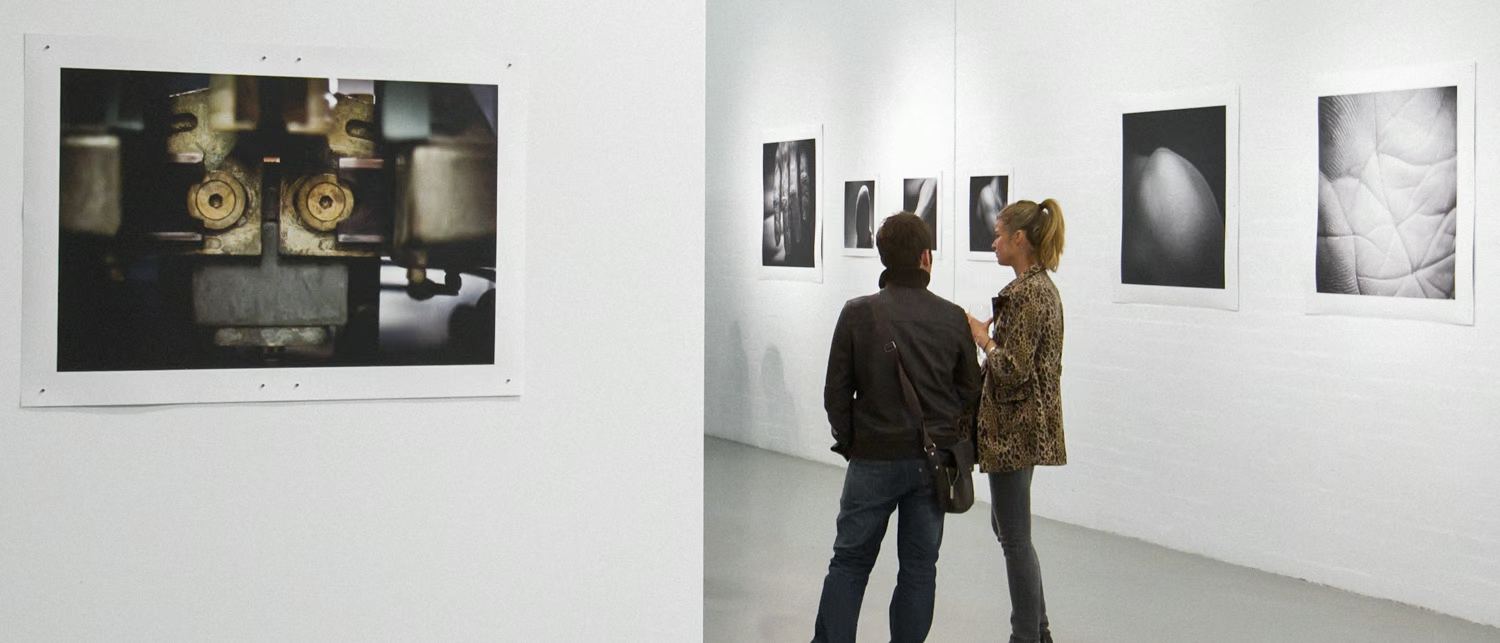
N was commissioned as an exhibition project for Mustang, developed with full creative autonomy inside their factory. It marks the moment when photography, at its most classical, became the axis of a work that extended into generative systems and object-based publication.
Solo show at Mustang Art Gallery
Quick facts
First show
- 2012
Supported by
- Fundacion Pascual Aguilar
Commissioned by
- MAG
Thanks to
- Juan Fuster
First show
- 2012
Supported by
- Fundacion Pascual Aguilar
Thanks to
- Juan Fuster
Commissioned by
- MAG
First show
- 2012
Supported by
- Fundacion Pascual Aguilar
Commissioned by
- MAG
Thanks to
- Juan Fuster