Not responding, but Listening
Most of my installations respond to visitors. Receptive Environments does not. It turns away from the room and listens outward, to temperature shifts, humidity cycles, light variations, particles suspended in air. The environment itself becomes the only input that matters.
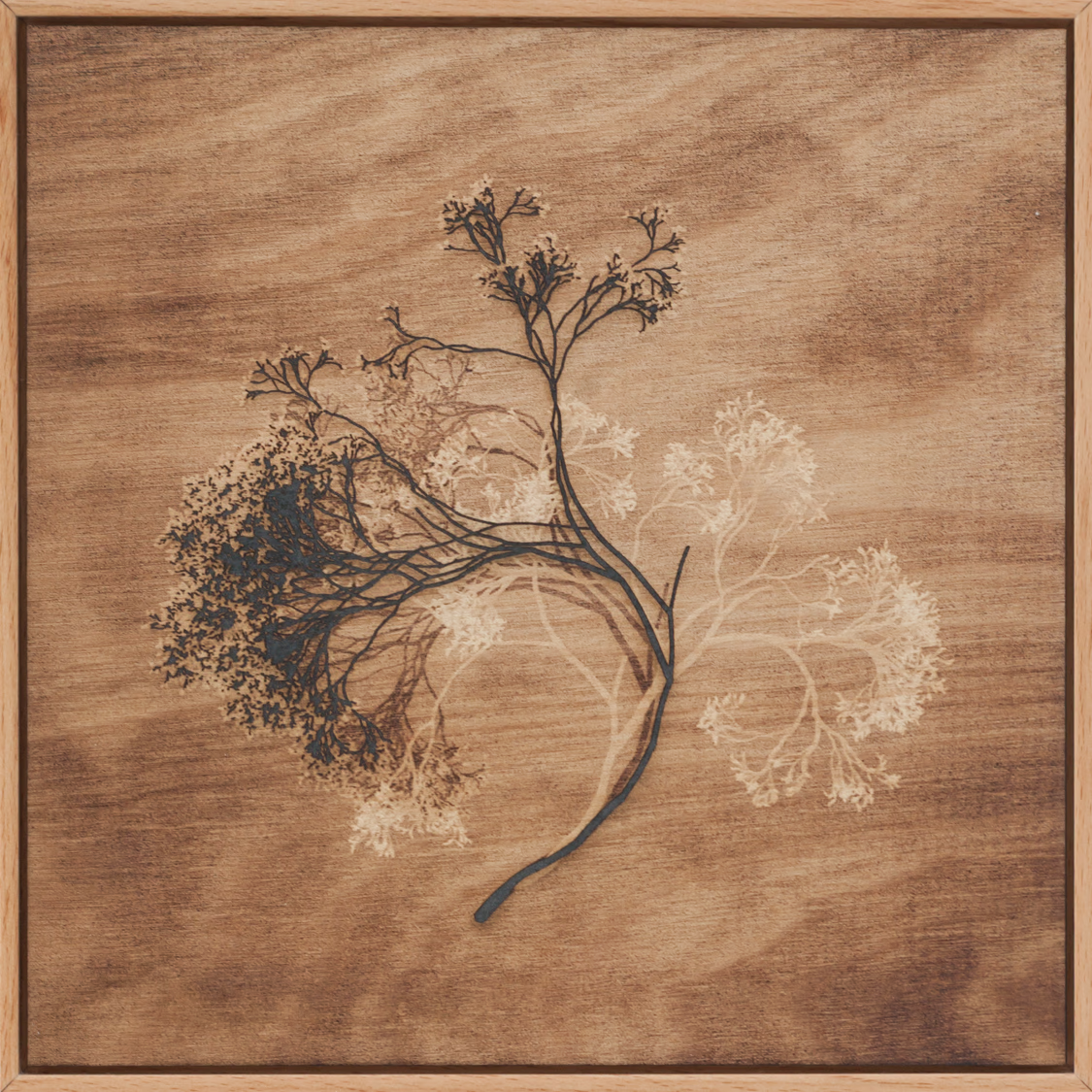
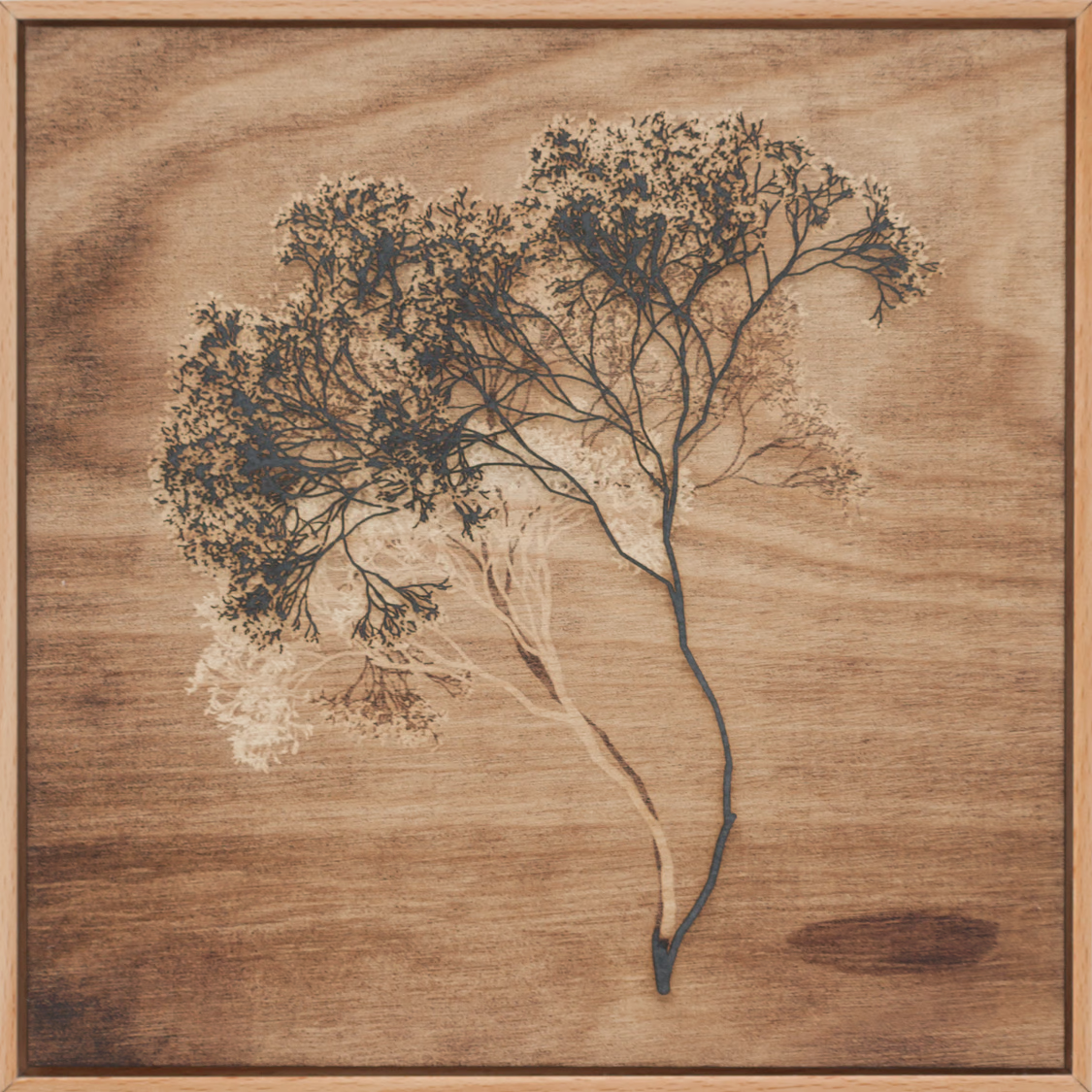
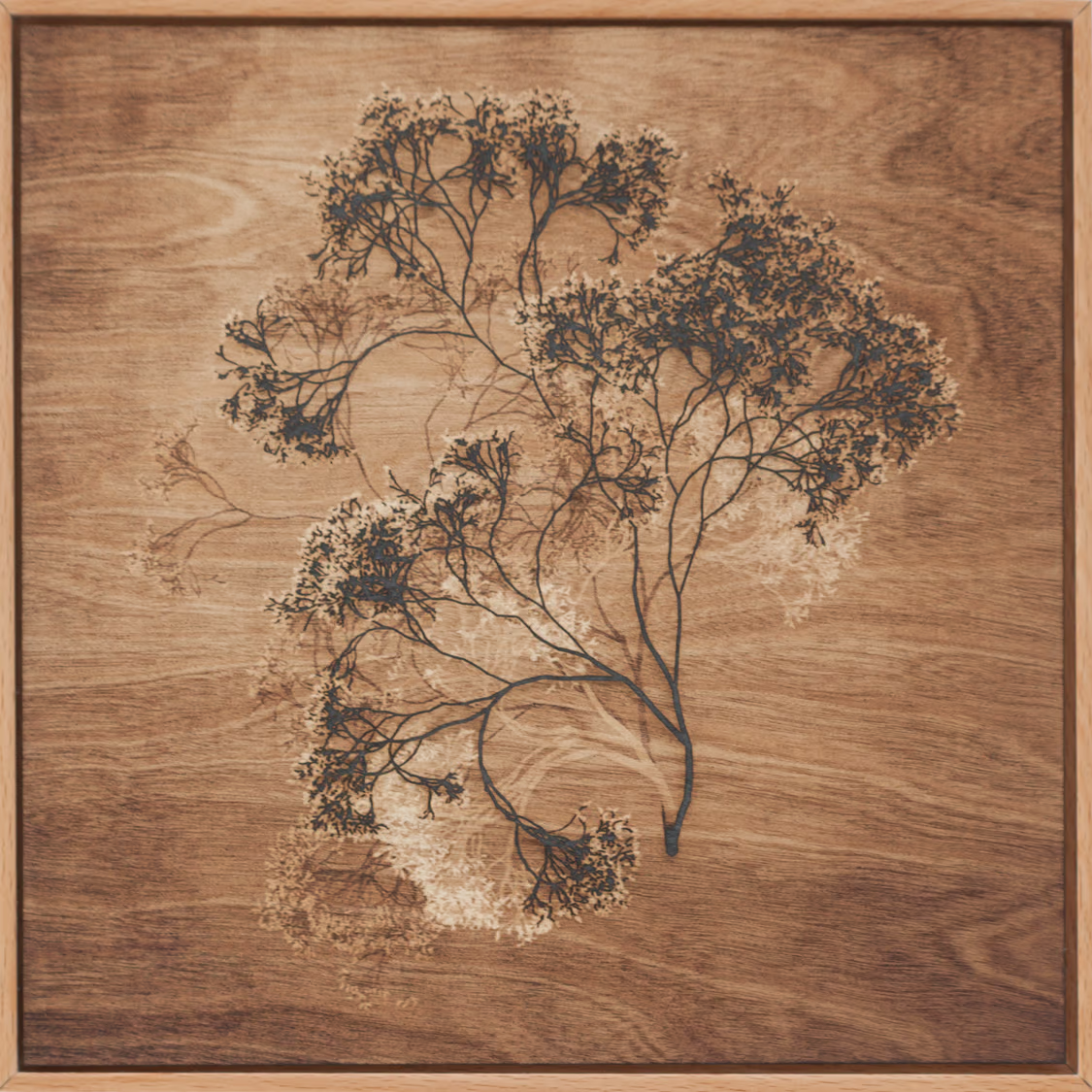
What results from that listening is not data. It is form. In the weeks before each exhibition opens, sensors record the conditions of the surrounding environment. Each 24-hour cycle produces a distinct engraving on thin birch wood, shaped by the invisible forces active outside. The objects are produced before the opening, one per day, accumulating as a sequence that precedes the show itself.
Growth simulations
Growth as method
The computational process behind each form is inspired by botanical growth systems. Forms do not follow a template. They evolve in response to actual conditions, branching and expanding according to the specific data feeding them. The same algorithm produces different results depending on the day, the season, the weather outside; yet, seen side by side, a global pattern emerges where subtle changes alter the shape daily
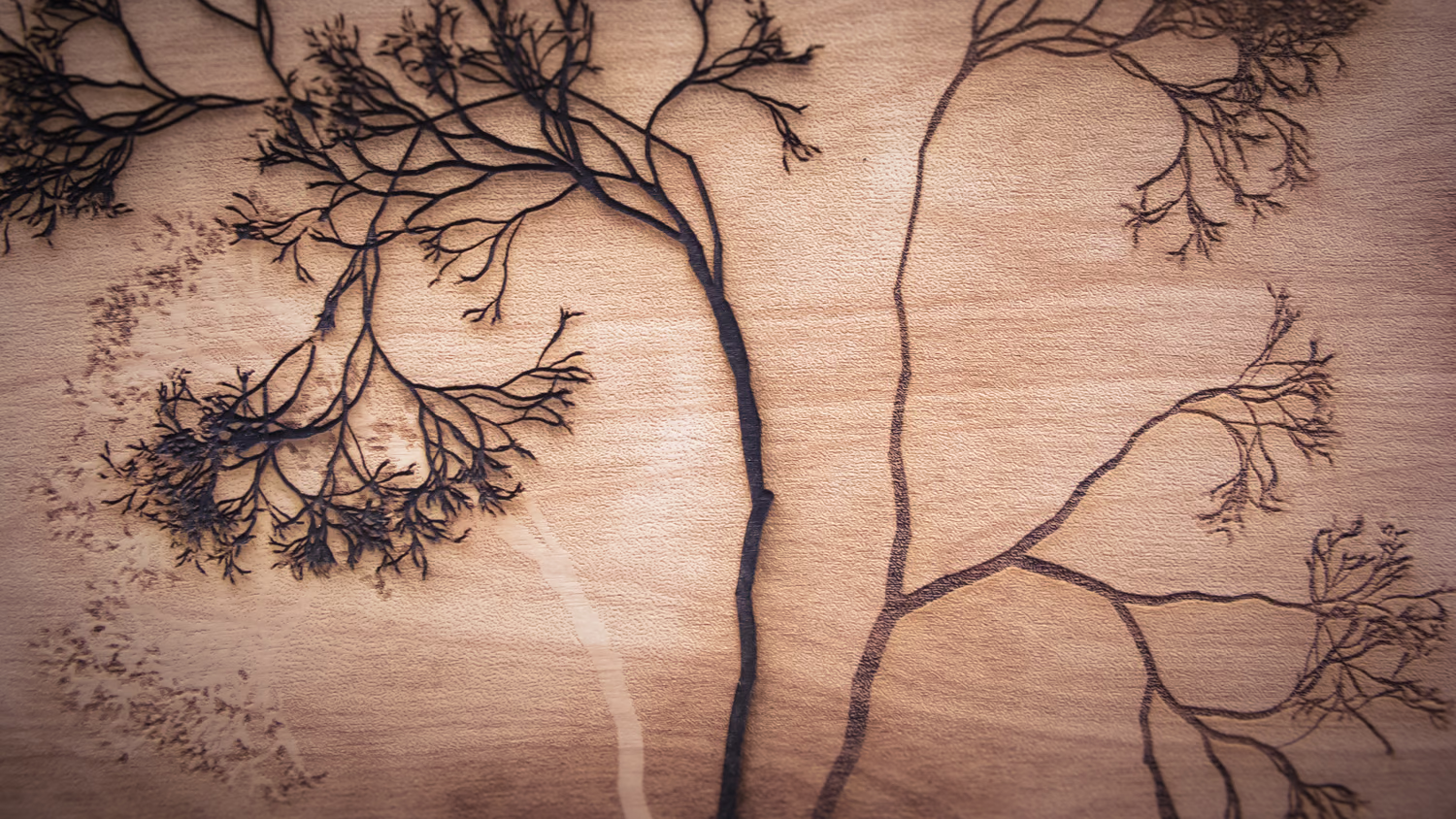
The engraving process transfers these digital forms onto wood with a laser. Technology withdraws at that point. What remains resembles pressed plant specimens, fossilised organisms, or cross-sections of something that grew in the dark; rather than a digital image.
Engraving detail
What we miss between moments
Perception is built around events. What changes gradually, below the threshold of notice, tends to disappear. Temperature and humidity shift without asking for attention. Light alters the quality of a room so slowly that the room seems the same from one hour to the next, even if its perception is radically different.
Receptive Environments slows this down without simplifying it. Each engraving condenses a full cycle of small changes into a single object. Not a chart. Not a reading. A material trace that evokes the processes that were happening whether or not anyone was present to observe them.
Day to day variation
The exhibition as a mirror
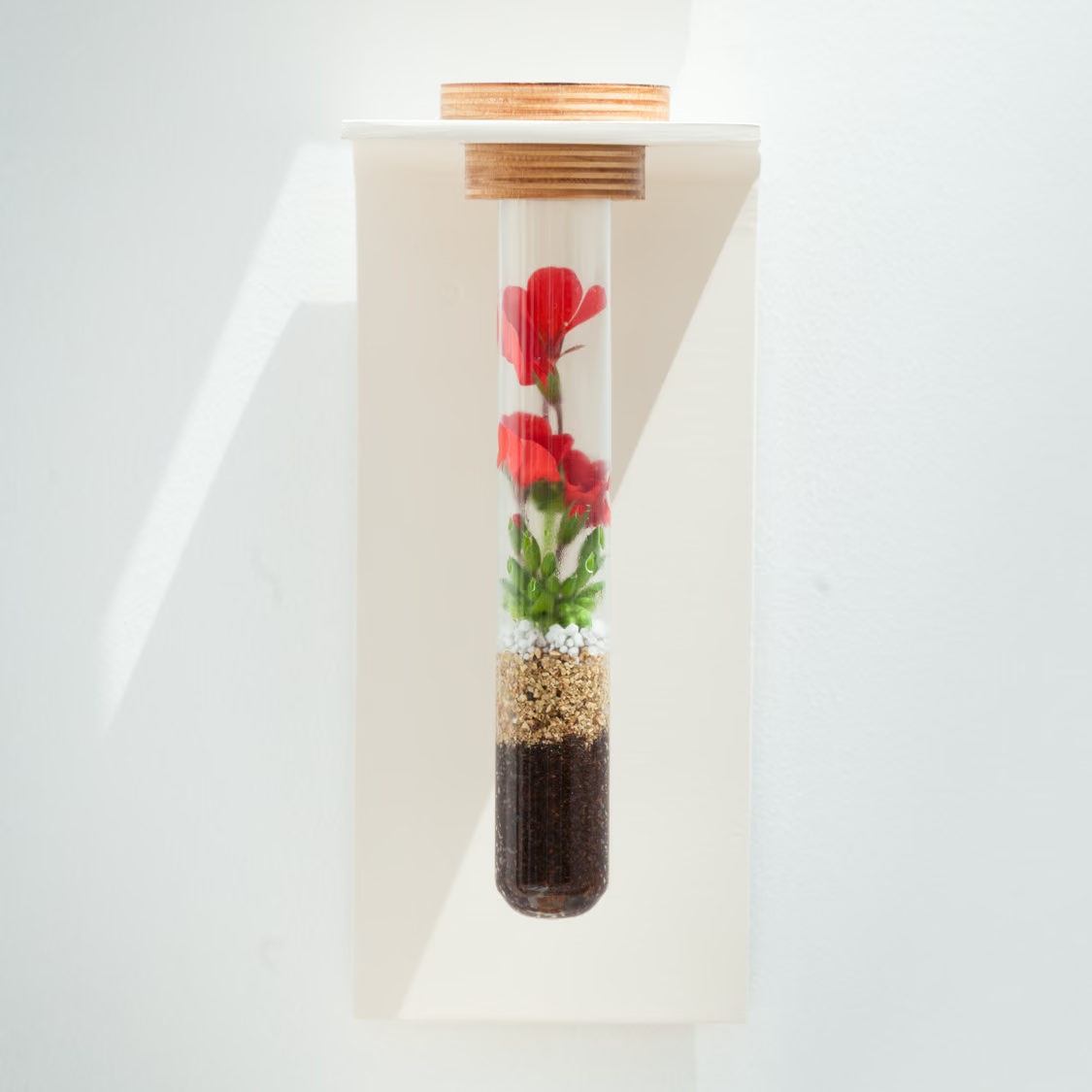
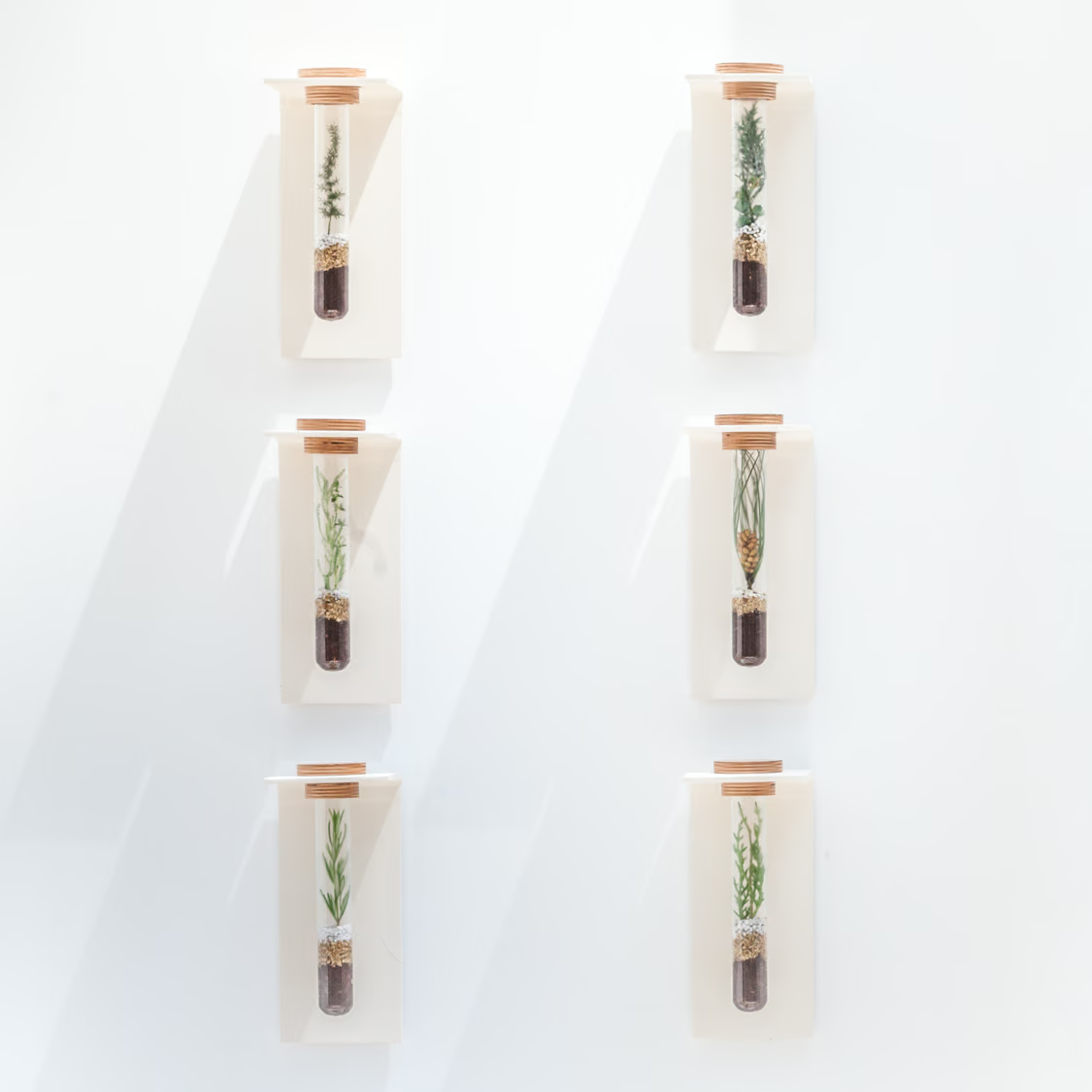
During installation, plant specimens collected from the same location are brought into the gallery. Mosses, grasses, seed heads, small flowering plants native to the surrounding terrain. They are mounted in glass tubes set against ceramic tiles, arranged as miniature dioramas of the environment the sensors were recording.
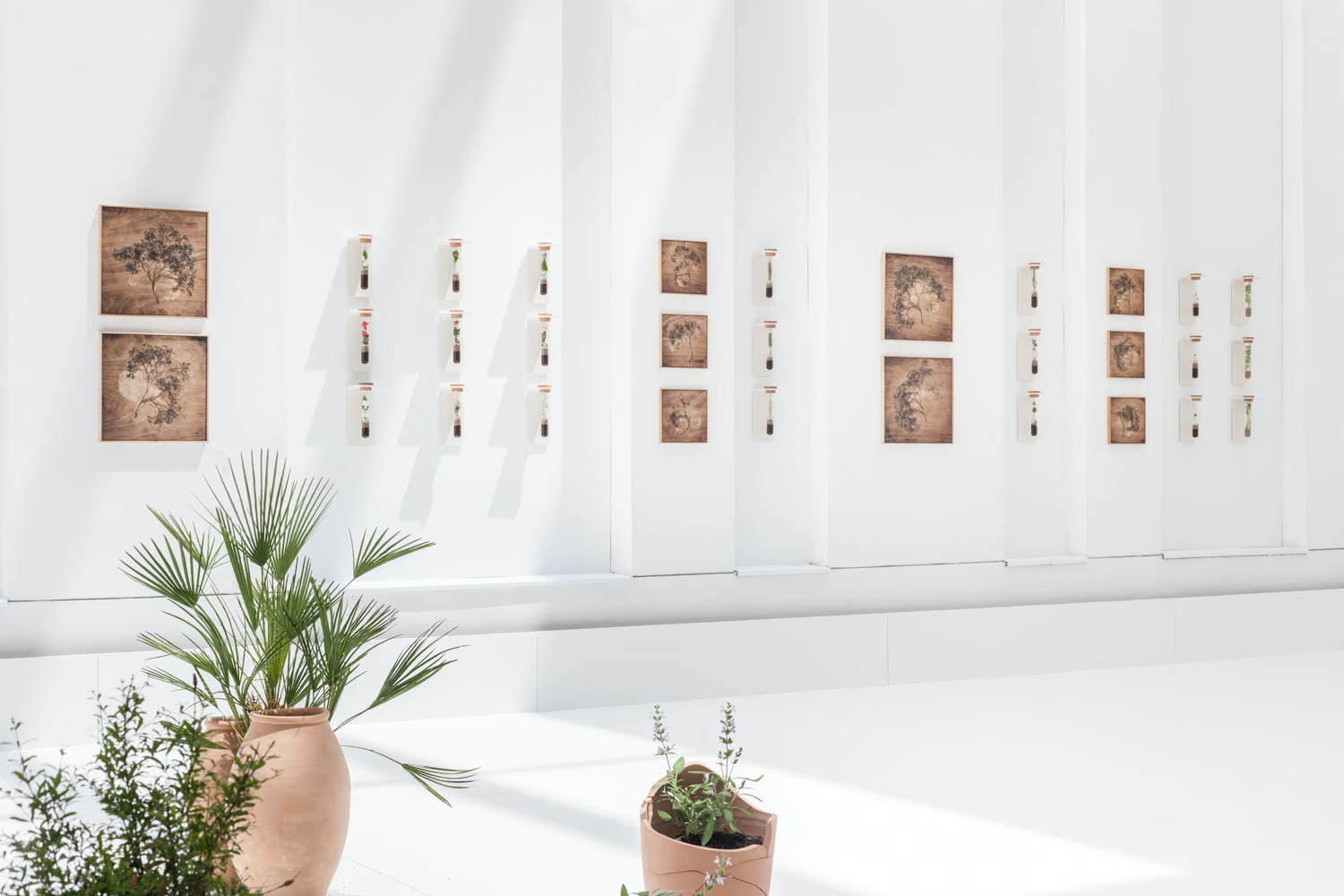
The engraved forms and the living specimens occupy the same wall. One is the computational translation of a climate. The other is what that climate actually grew. Neither explains the other. They simply exist together, as two readings of the same invisible process.
The gallery does not display the environment. It holds a conversation with it.
Vegetal samples
Climate is not background, it is author
The objects produced by Receptive Environments do not explain their origin. They carry it. Each one is specific to a place and a duration, shaped by forces that cannot be reproduced elsewhere or at another time. A series made in Seville in January is not the same as one made in the same building in July. The difference is not aesthetic. It is factual.
Data here acts as seed rather than conclusion. What grows from it is not a visualisation but a presence. Something that existed in the environment, made tangible.
Exhibition at Centro de Arte Contemporaneo Rafael Boti
Quick facts
First show
- 2011
Supported by
- Junta de Andalucia
- Künstlerhaus Bethanien
Exhibited at
- Meta.Morf Trondheim
- VOLTA
- EnBW
- Centro de Arte Rafael Botí
- AlarconCriado Gallery
- Museo Florencio de la Fuente
- ...
Thanks to
- Katja Endisch
- Espen Gangvik
First show
- 2011
Supported by
- Junta de Andalucia
- Künstlerhaus Bethanien
Thanks to
- Katja Endisch
- Espen Gangvik
Exhibited at
- Meta.Morf Trondheim
- VOLTA
- EnBW
- Centro de Arte Rafael Botí
- AlarconCriado Gallery
- Museo Florencio de la Fuente
- ...
First show
- 2011
Supported by
- Junta de Andalucia
- Künstlerhaus Bethanien
Exhibited at
- Meta.Morf Trondheim
- VOLTA
- EnBW
- Centro de Arte Rafael Botí
- AlarconCriado Gallery
- Museo Florencio de la Fuente
- ...
Thanks to
- Katja Endisch
- Espen Gangvik