The room writes itself
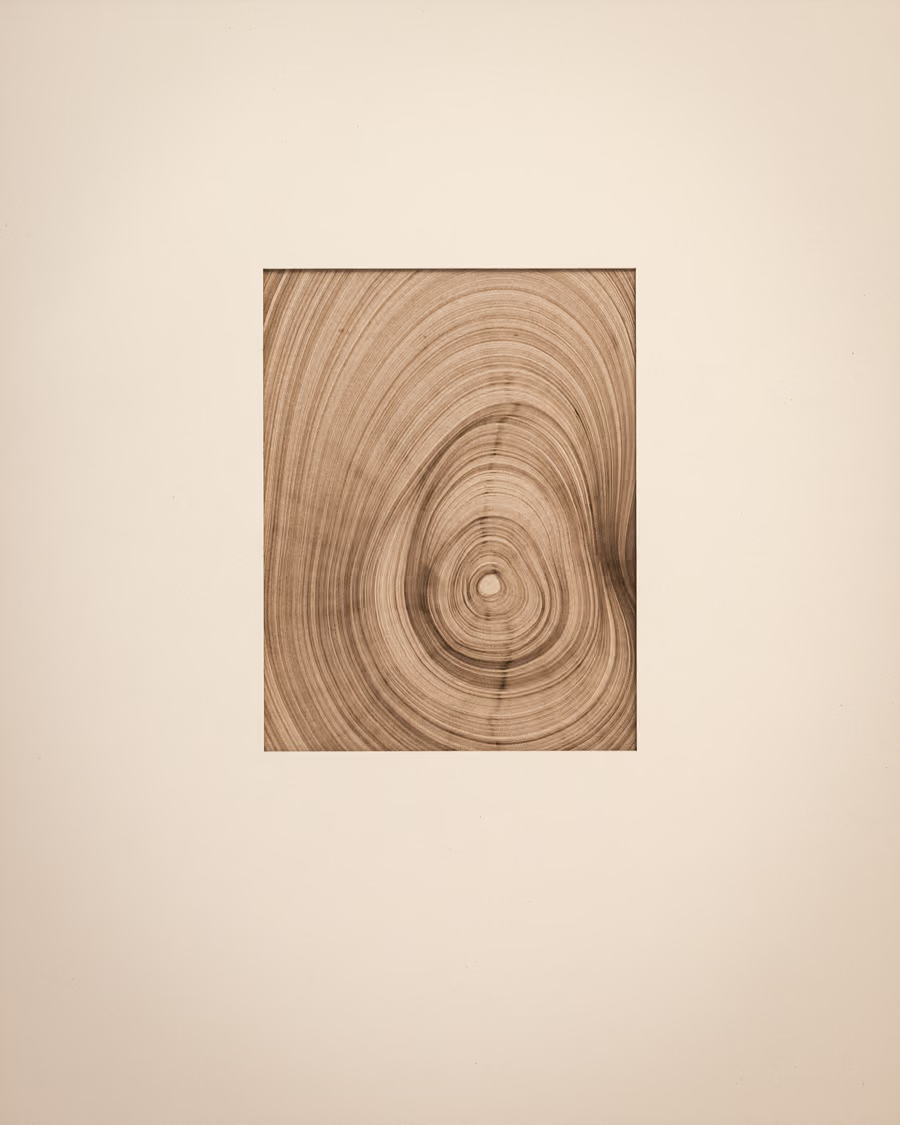
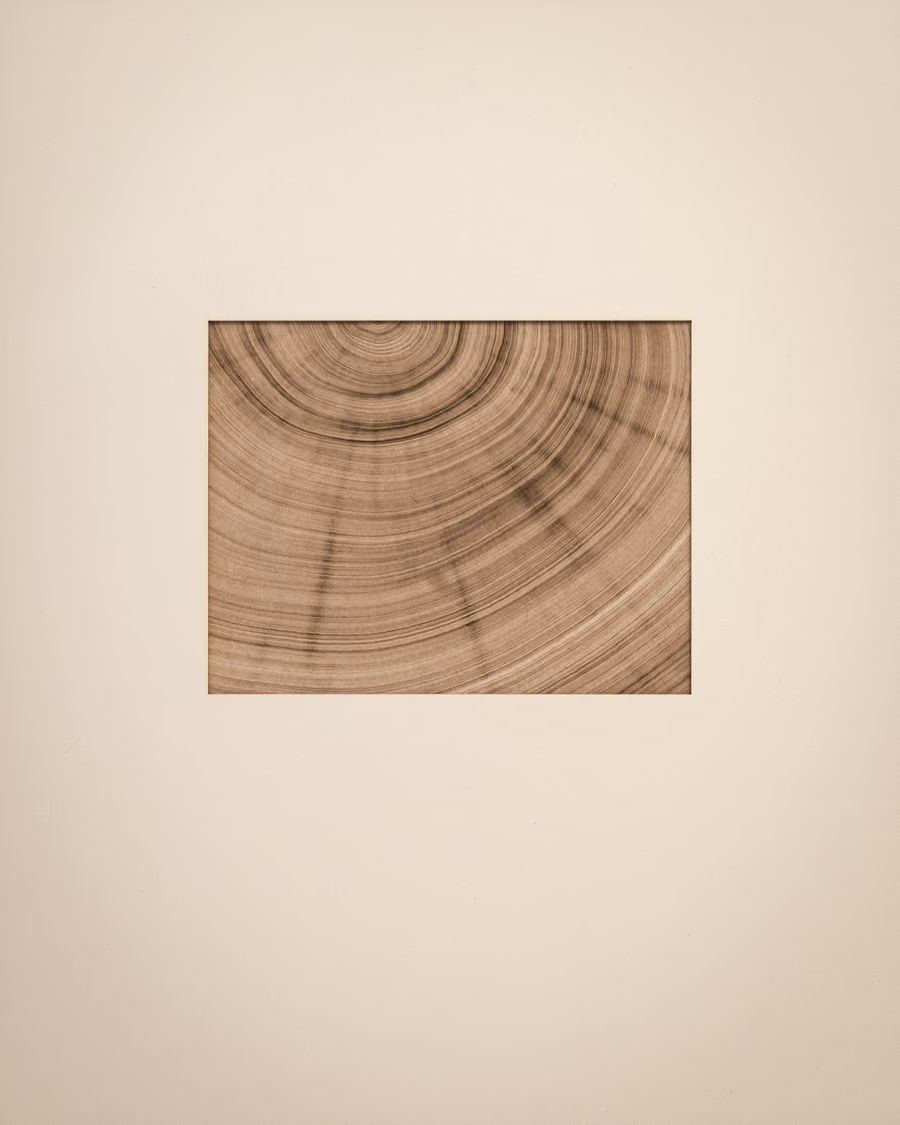
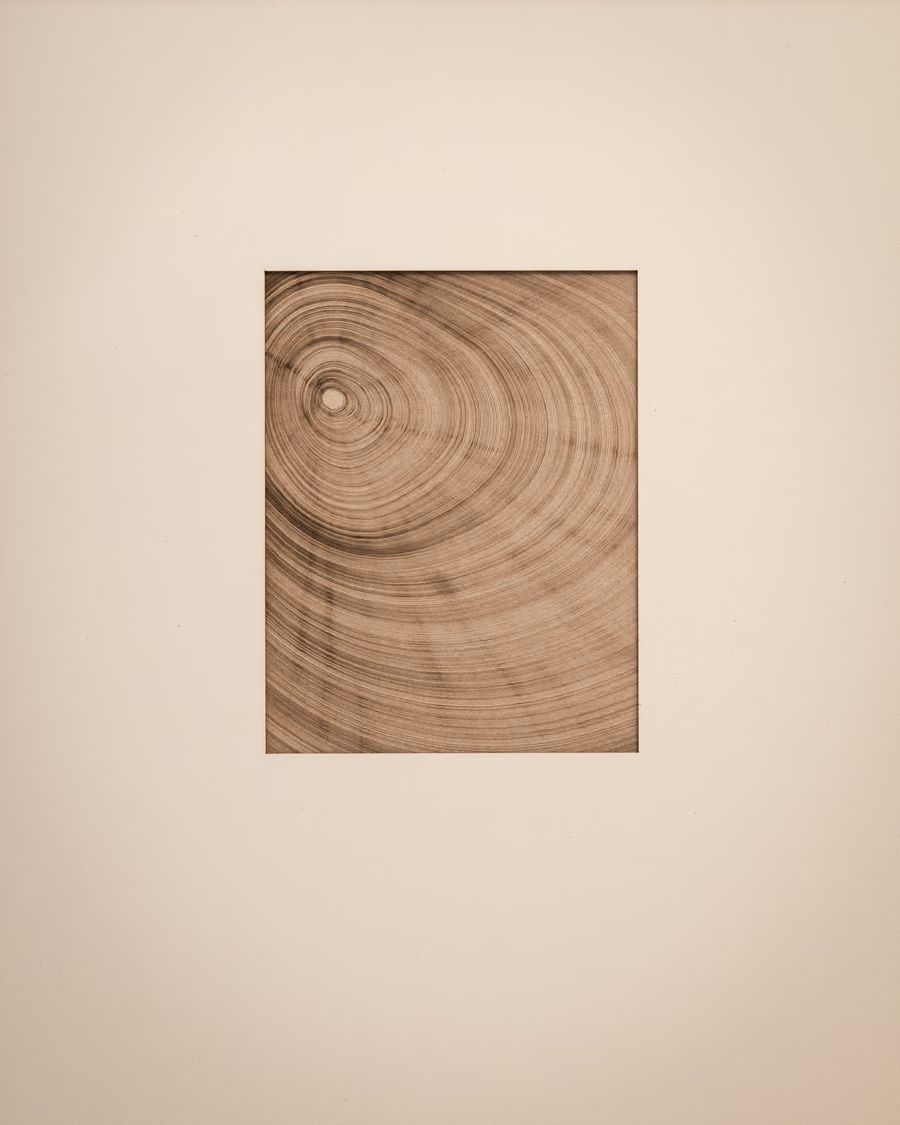
At the centre of the space stands a wooden box. Beneath the glass top, a laser moves slowly, engraving concentric rings that expand outward from a fixed point. The process does not stop. It does not reset. Whatever gets recorded stays recorded.
Hidden PIR sensors read the room continuously, acting as a radar. They detect not just movement but its direction, registering the position of presence relative to the piece. That information deforms each ring toward it. Zones of high traffic expand outward, leaving space between rings. Quiet zones burn deeper, darker, with almost no growth. The surface accumulates what happened there, in the order it happened, without editing.
Solo show at EnBW Berlin
Not represented, but Inscribed
Time is not visualised here. It is inscribed. There is a difference.
Visualisation implies distance, a translation of events into a readable format. What happens in Whatever happened, happened is closer to what a tree does: accumulating the conditions of its environment directly into its own structure, layer by layer, without interpretation. The smell of burned wood makes the process just as physical. Something is being consumed. Something is being preserved.
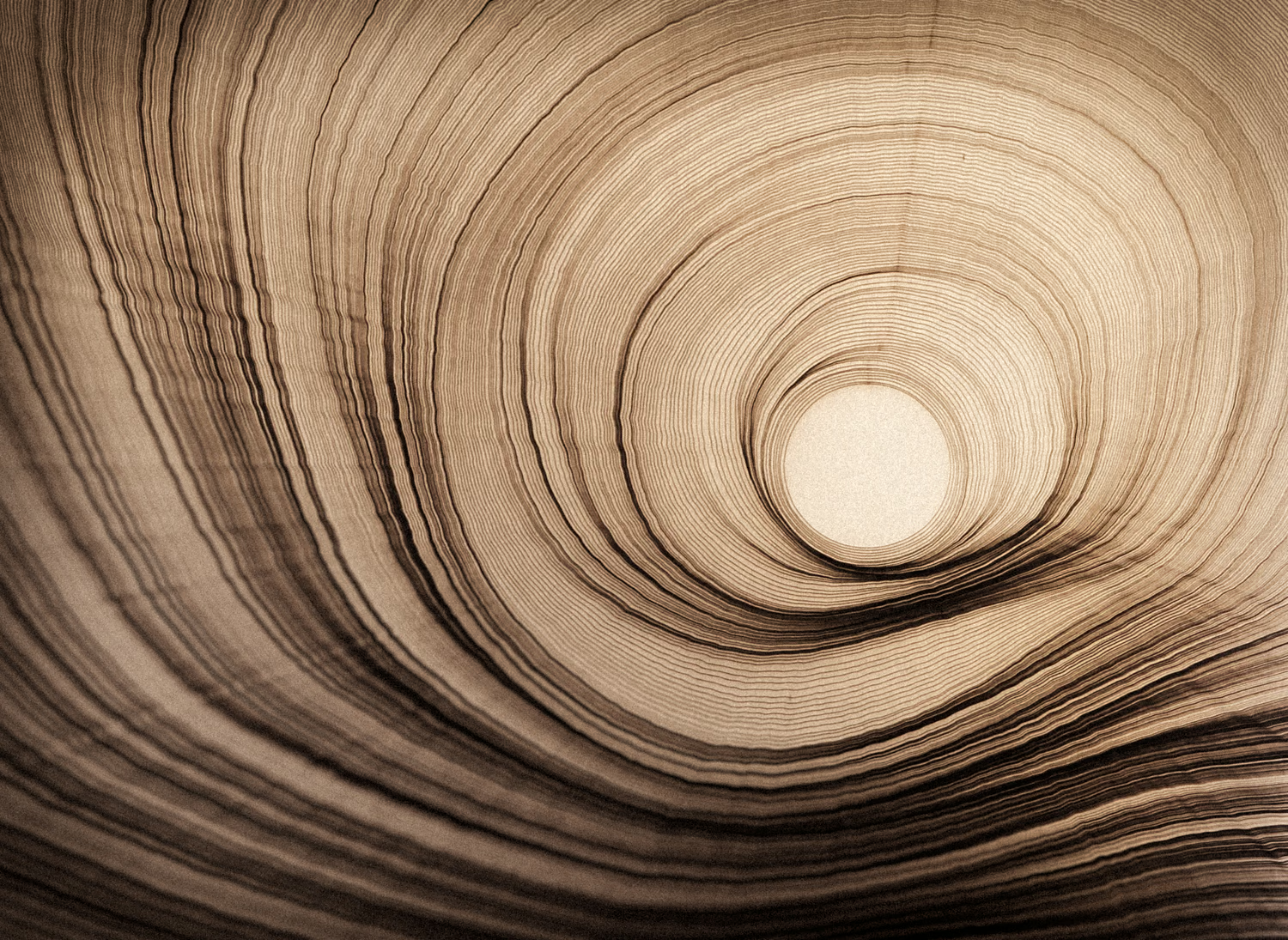
The rings recall growth rings, yet they unfold in real time, in front of whoever is present to witness them.
Engraving detail
Presence without interface
There is nothing to press, nothing to trigger. No interface. Visitors do not interact with the work. They are registered by it.
Simply being in the room contributes to the record. Each person’s movement joins those of everyone who came before and everyone who will follow. The result is a shared timeline, layered by different bodies at different moments, none of them aware of the exact mark they left.
This shift, from interaction as gesture to presence as contribution, is where Whatever happened, happened departs from earlier work. The audience is still essential. But the relationship is quieter, more inevitable.
Sensors, laser, wood
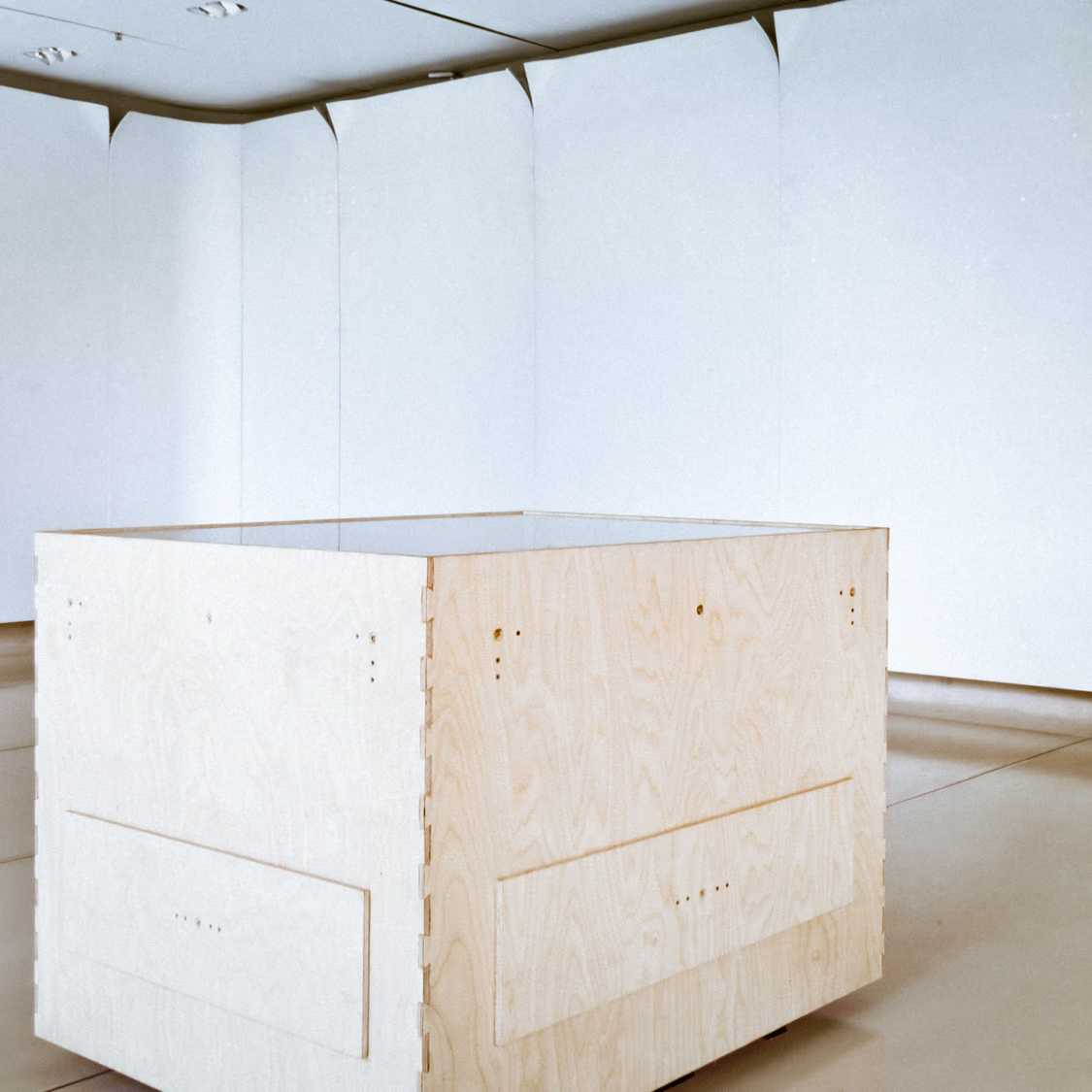
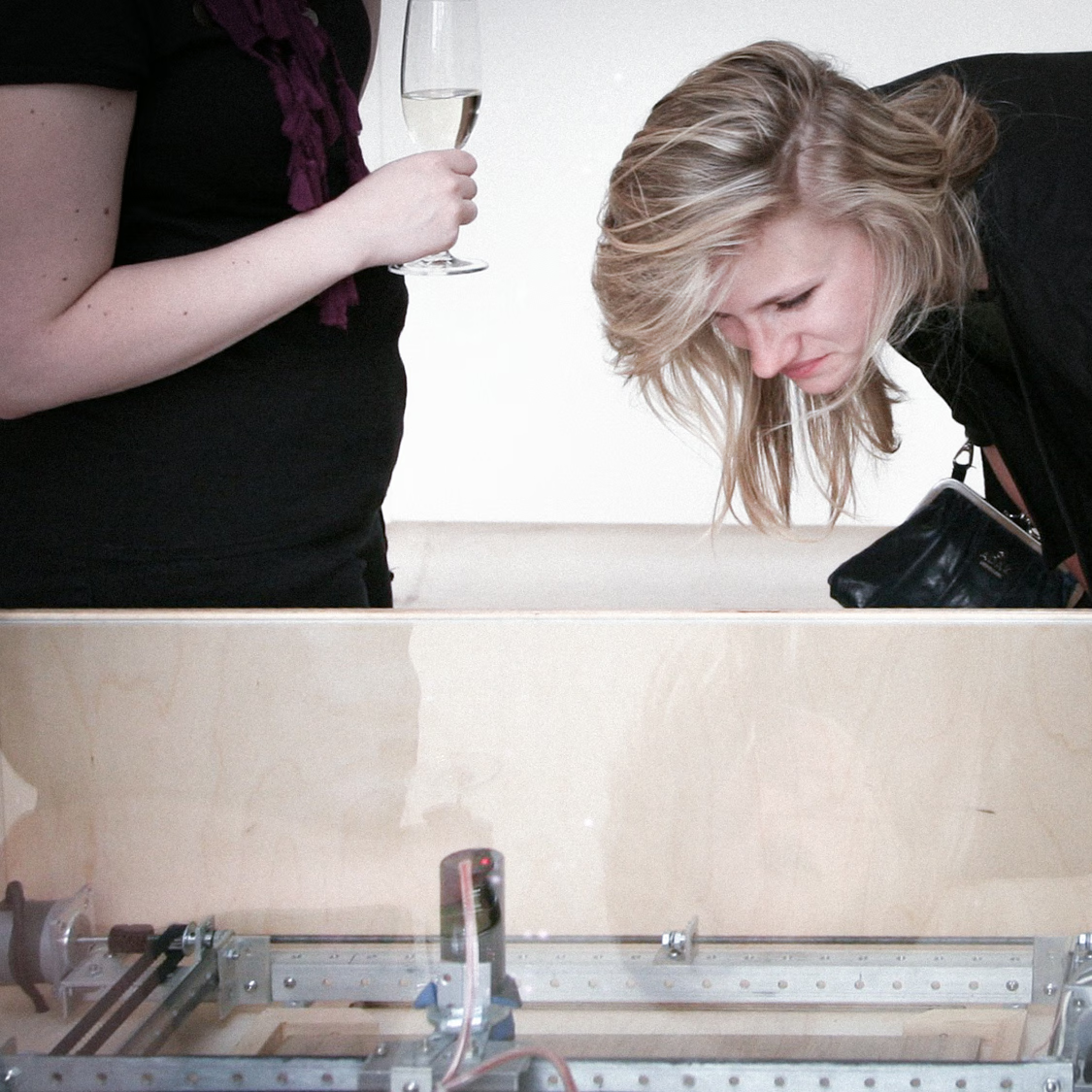
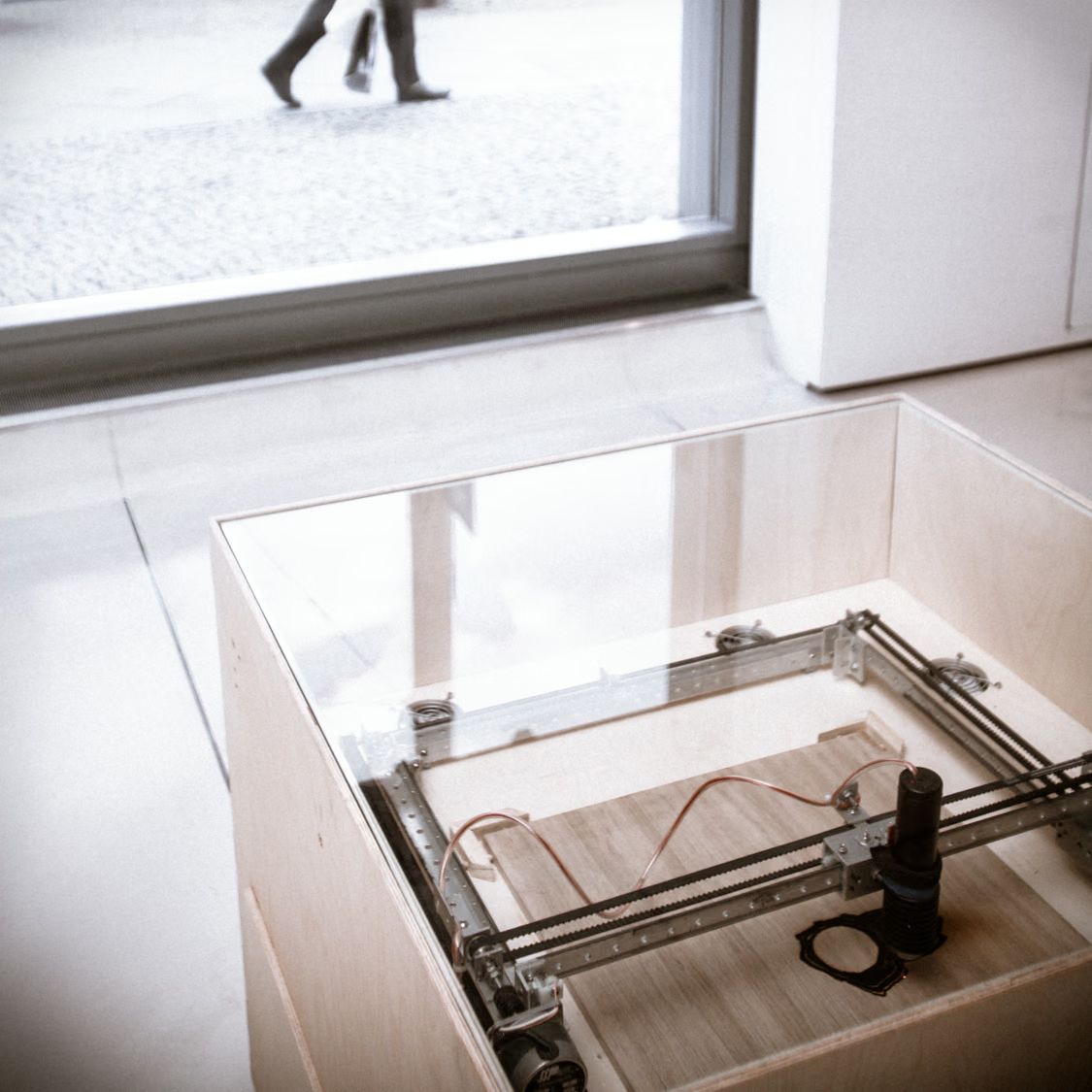
The object cannot be separated from its context
By the end of the exhibition, the surface carries the memory of a specific place and a specific period. Not a representation of how it was inhabited. The thing itself, embedded in material.
The final object is simultaneously artwork, document, and archive. It cannot be reproduced, because the conditions that produced it no longer exist. Whatever happened, the wood holds it.
Three records, three spaces
Quick facts
First show
- 2010
Exhibited at
- Science Gallery Dublin
- EnBW
- Knipsu
- Palacio de la Merced
- Museo de Historia de El Carpio
- ...
Commissioned by
- Diputación de Córdoba
Thanks to
- Vitaly Mankevich
- Diego Mellado
First show
- 2010
Thanks to
- Vitaly Mankevich
- Diego Mellado
Exhibited at
- Science Gallery Dublin
- EnBW
- Knipsu
- Palacio de la Merced
- Museo de Historia de El Carpio
- ...
Commissioned by
- Diputación de Córdoba
First show
- 2010
Exhibited at
- Science Gallery Dublin
- EnBW
- Knipsu
- Palacio de la Merced
- Museo de Historia de El Carpio
- ...
Commissioned by
- Diputación de Córdoba
Thanks to
- Vitaly Mankevich
- Diego Mellado