Constructed perception
My early projects approached image not as representation but as a behavioural structure. Photography and video are treated as unstable systems rather than fixed records, opening a path toward later investigations into space, interaction, and perception.
Across these works, the image is not an end product but a device. The focus shifts from what is shown to how it is constructed, from composition to process, from representation to behaviour. Fragmentation, repetition, and generative logic disrupt the authority of the single viewpoint.
In Der Unbekannte Einwanderer, the city is not documented but reorganised. Fragments appear, disappear, and recombine without forming a complete narrative. Sequences never fully repeat. The viewer assembles a sense of place from partial signals that feel both familiar and unstable. The image becomes contingent on perception, reconstructed differently each time it is encountered.
Der Unbekannte Einwanderer
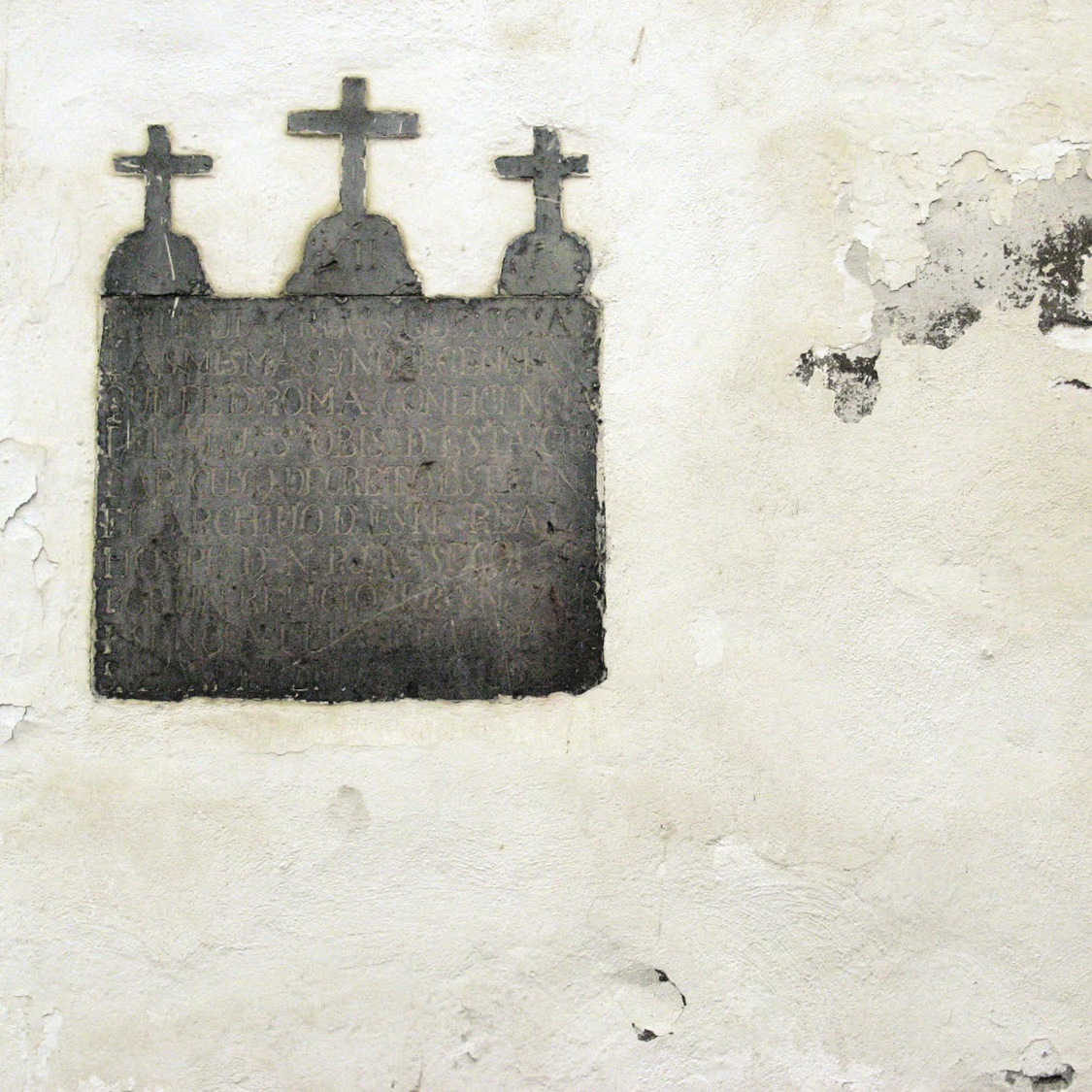
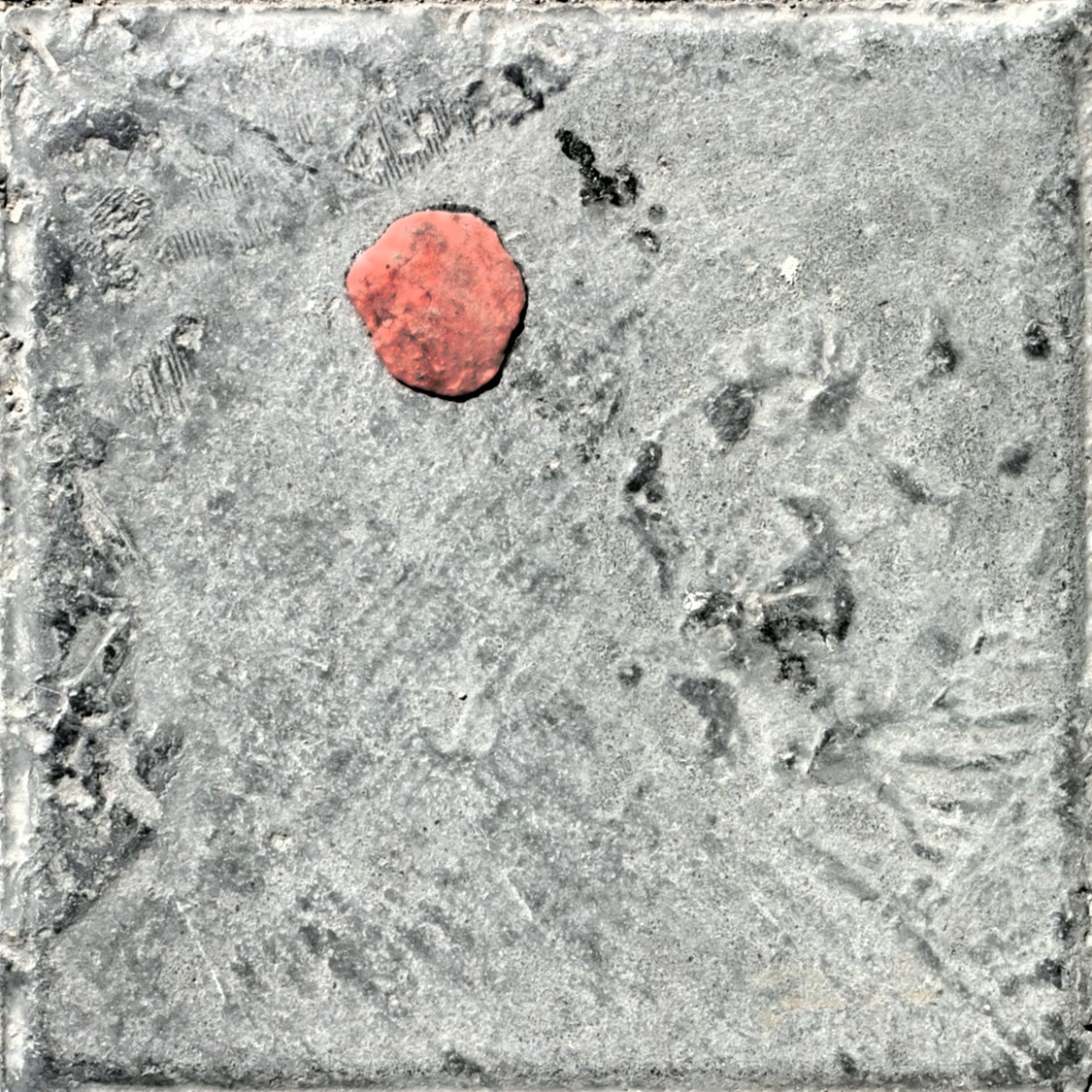
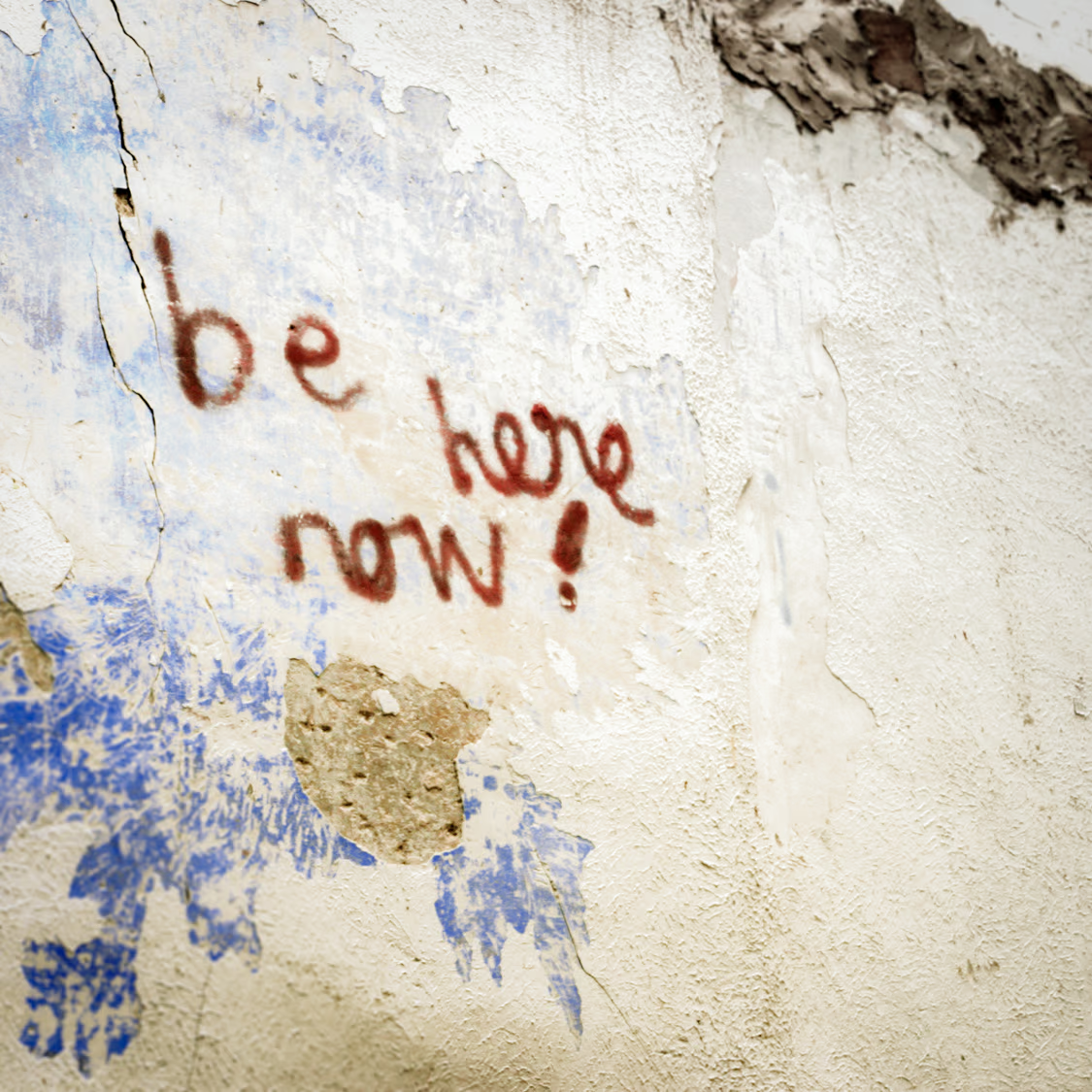
Programming and randomness enter as tools for destabilising certainty rather than as aesthetic effects. Documentary material becomes interpretative through displacement. Everyday gestures gain intensity when removed from their original context. The familiar is revealed as fragile.
In Intrusiones, the image transforms into a surface under pressure. A landscape unfolds behind a screen while textual traces of sound accumulate over it, gradually obscuring the view. What begins as a window outward becomes a dense field of interruptions that redirects attention inward. Perception is revealed as layered, continuously infiltrated by external forces.
Intrusiones
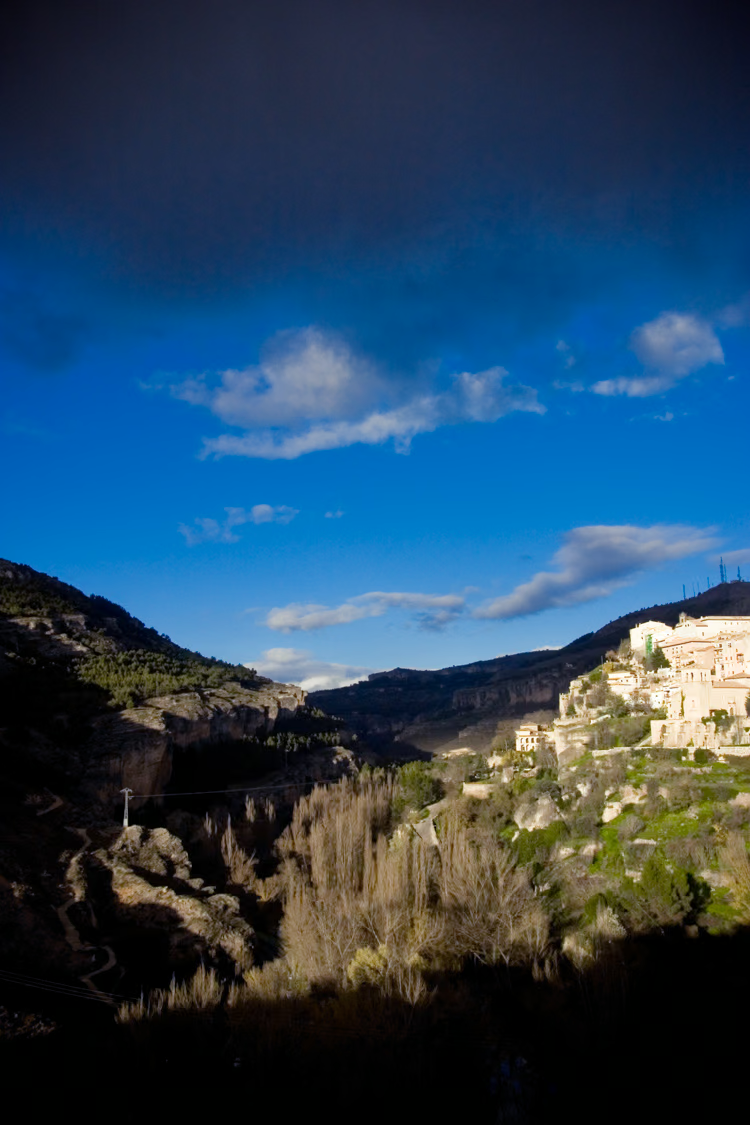
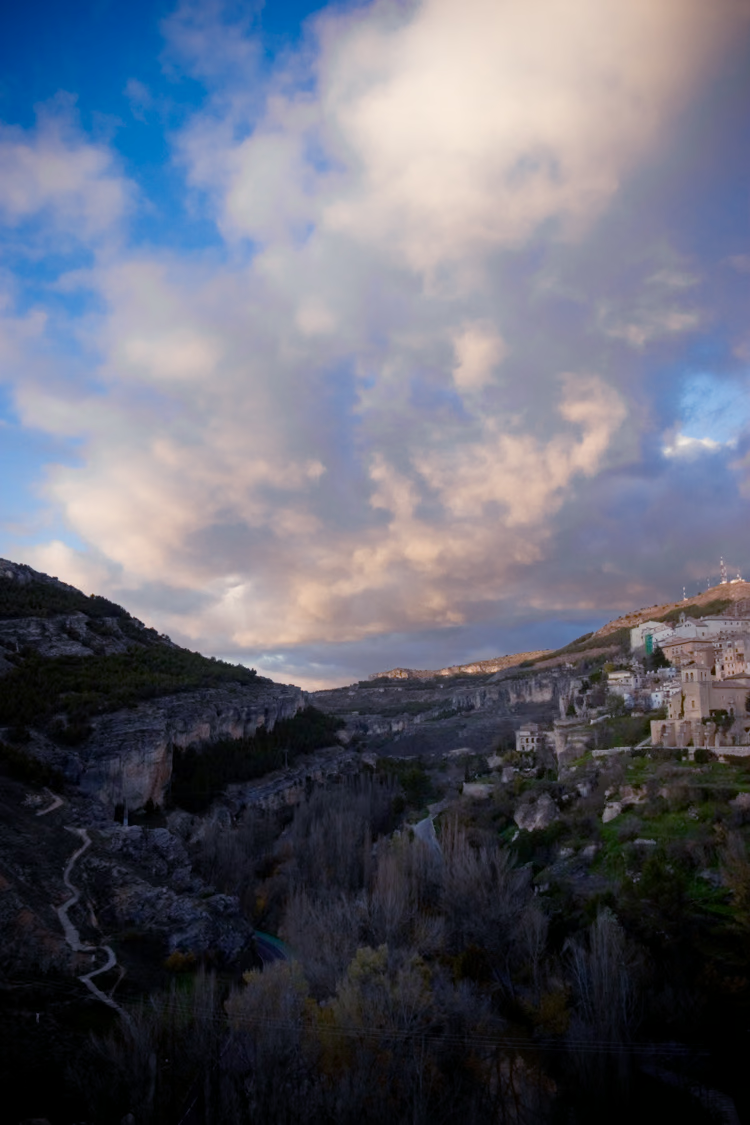
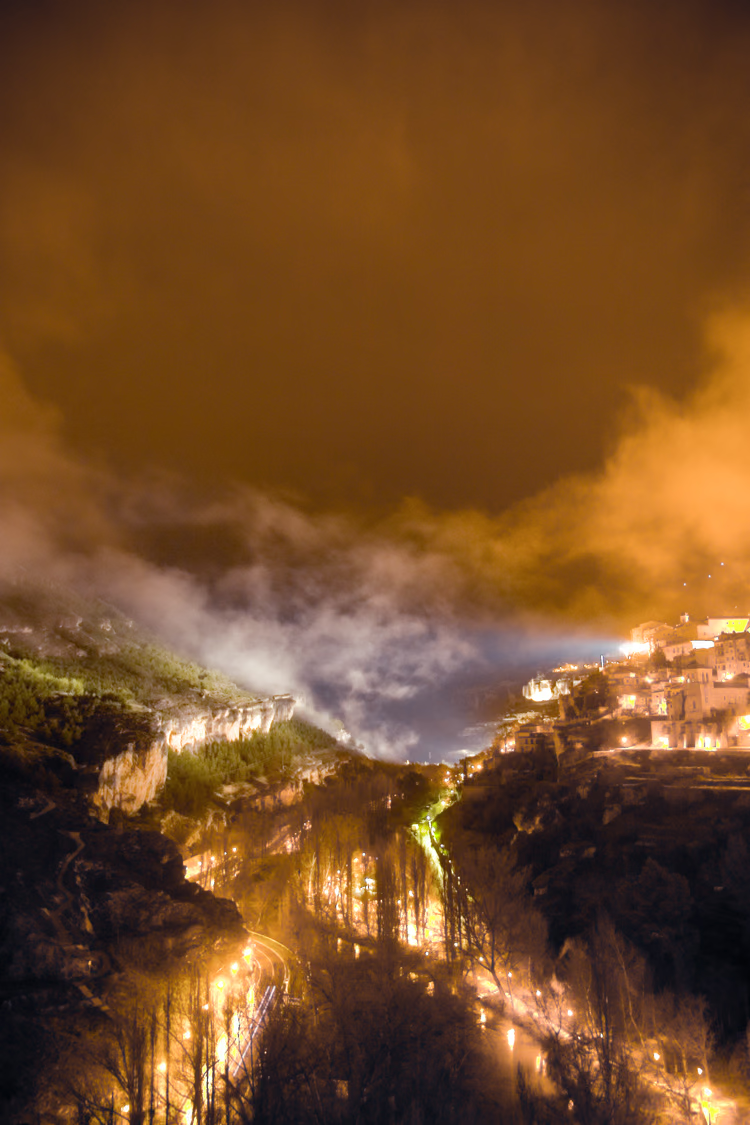
These works mark a transition from image as frame to image as environment. Projection leaves the screen and begins to occupy architectural space. Sound and time interfere with visual stability, forcing the viewer’s body to negotiate between surfaces rather than simply observe from a distance.
With N, photography enters an industrial landscape where machines and bodies share texture and rhythm. Repetition replaces the decisive moment. Generative drawing systems expand alongside photographic detail, exposing patterns that exceed individual scenes. The image no longer captures a moment; it reveals a larger system unfolding through time, degradation, and recurrence.
N
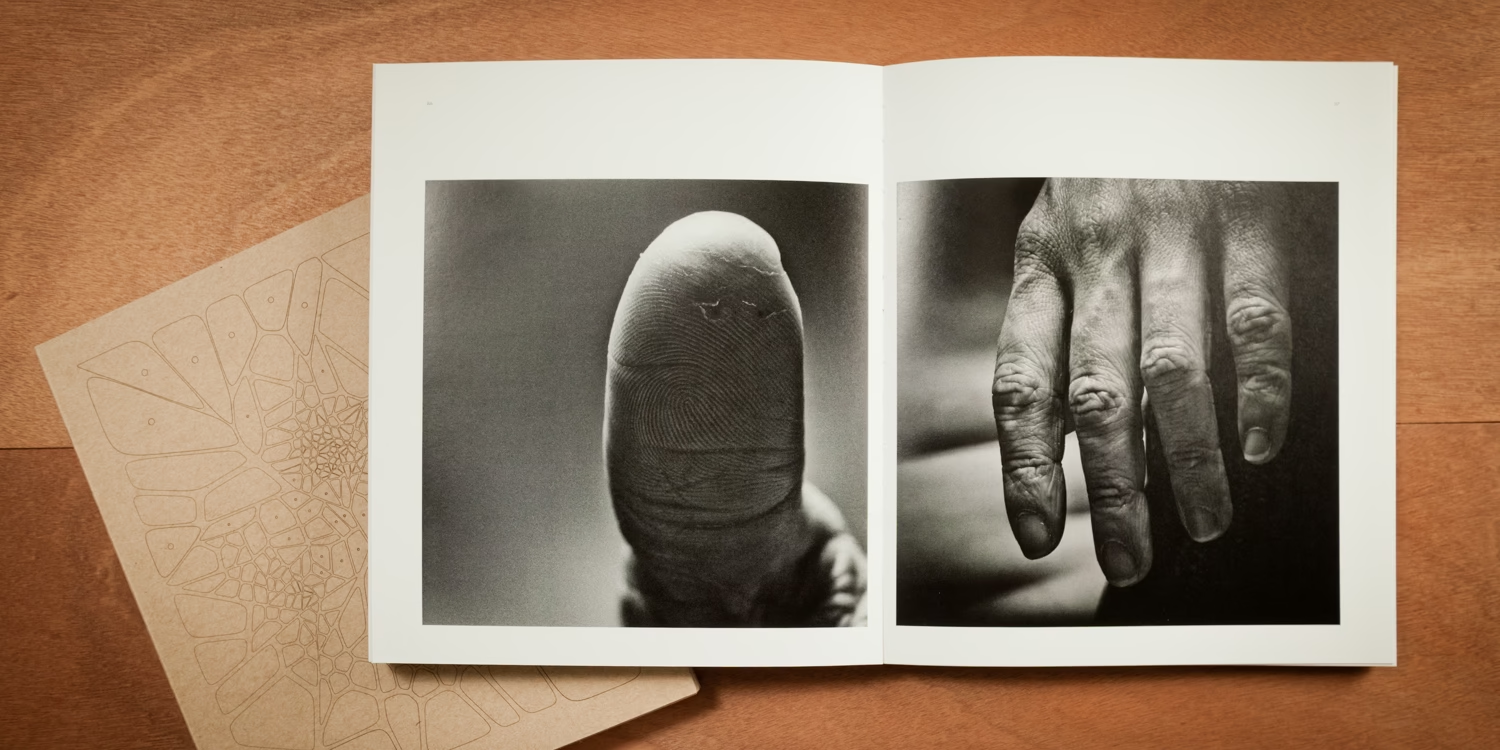
Across this body of work, perception is exposed as constructed from fragments, expectations, and memory.
By making that construction visible, the projects transform image into a space of doubt and discovery. The frame becomes porous. Space enters. Time accumulates.
From this point onward, the move toward physical systems and interaction becomes inevitable. The image is no longer sufficient on its own. It begins to demand a world beyond the frame.
There is more to explore
Each portfolio offer unique perspectives on how ideas evolve and connect over time.