Unstable equilibrium
Across these works, the audience is not treated as a user but as a disturbance within a system. Interaction is understood as interference rather than control. The installations function as visualisers of dynamics that already exist in the space, amplifying subtle phenomena instead of staging artificial events.
Technology withdraws from view. Motors, sensors, and computation remain concealed, allowing physical behaviour to occupy the foreground. What becomes visible is not the mechanism but the consequence: vibration, resonance, turbulence, instability.
In Waves, a rotating rope cuts through the air, generating both sound and apparent volume. The system shifts continuously according to proximity and movement. No explicit interface is offered. Presence alone alters behaviour, transforming the installation from a stable line into a complex field of oscillations. Image and sound emerge from the same gesture, collapsing the distinction between seeing and hearing.
Waves
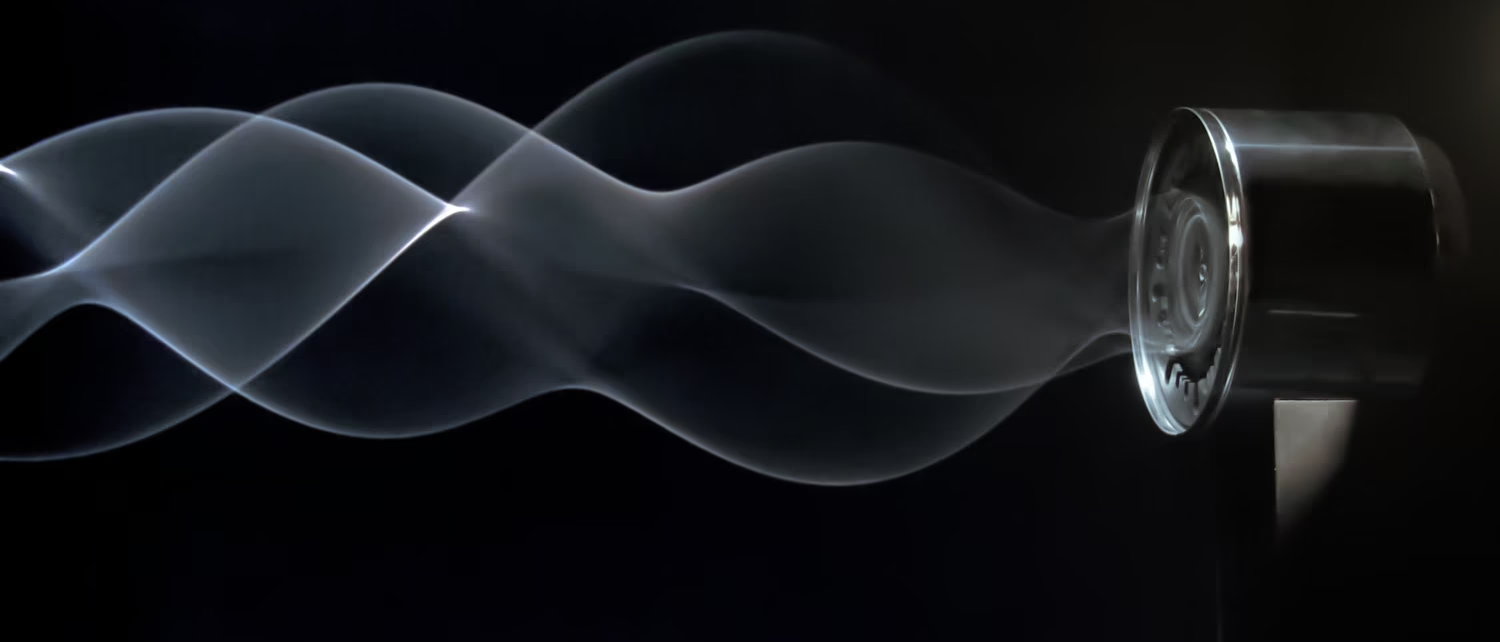
Feedback is not always immediate. Sometimes it is subtle, sometimes delayed, sometimes only visible in retrospect. This shift from instant reaction to gradual transformation becomes central to the work. The space itself begins to behave as a living organism, absorbing, redistributing, and transforming. Architecture ceases to be a neutral container and becomes an active participant.
In Outcomes, interaction disperses across a distributed network of resonant elements. Visitors moving through the installation introduce variations into a collective field where individual gestures dissolve into emergent sound structures. The system does not respond theatrically. It searches for equilibrium, continuously adjusting to fluctuating conditions created by multiple bodies sharing the same environment.
Outcomes
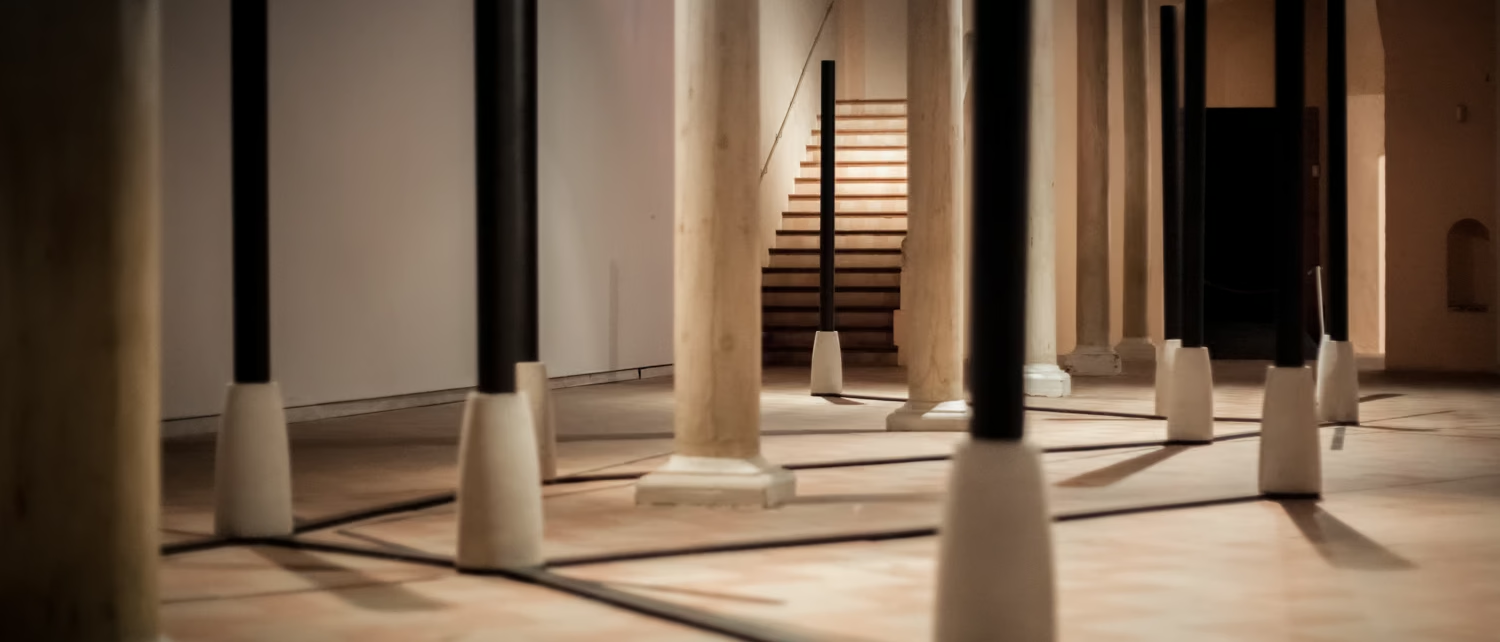
Interaction here becomes a form of coexistence. The emphasis moves from manipulation to influence, from triggering effects to inhabiting a shared system. The installation is not performing for the audience; it is negotiating with them. Each movement, however small, alters the balance.
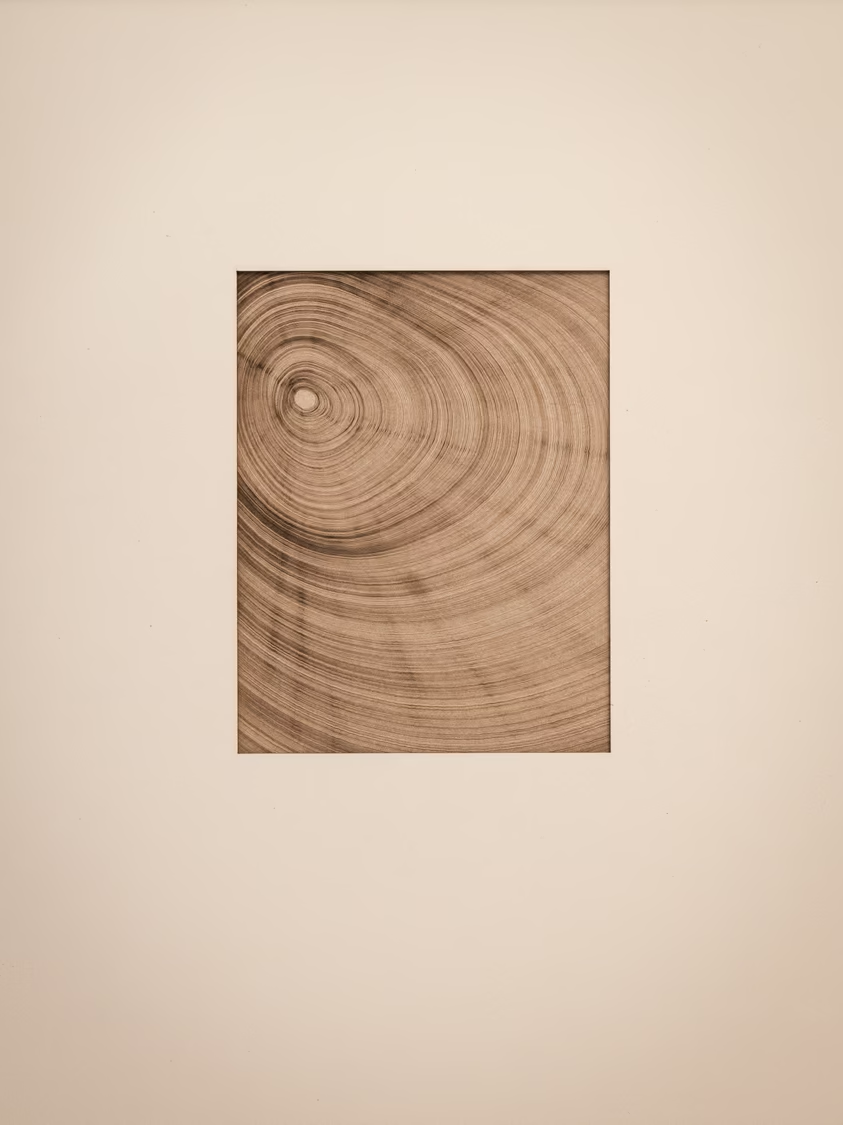
Whatever Happened, Happened slows interaction down even further. Instead of producing instantaneous feedback, presence is translated into slow material inscription. A laser engraves concentric traces into wood throughout the exhibition, recording movement and stillness as variations in depth. The space accumulates its own memory over time. The viewer does not cause an event; they contribute to a gradual process of sedimentation.
Whatever happened, Happened
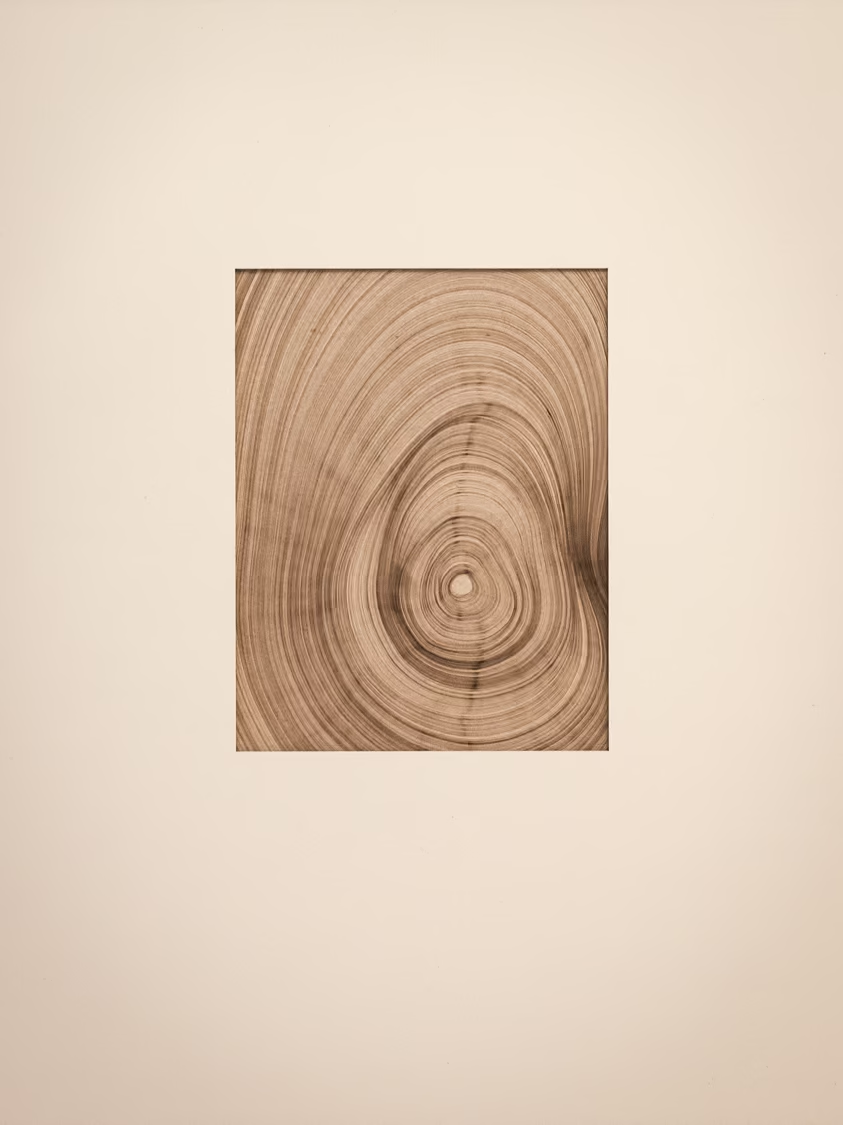
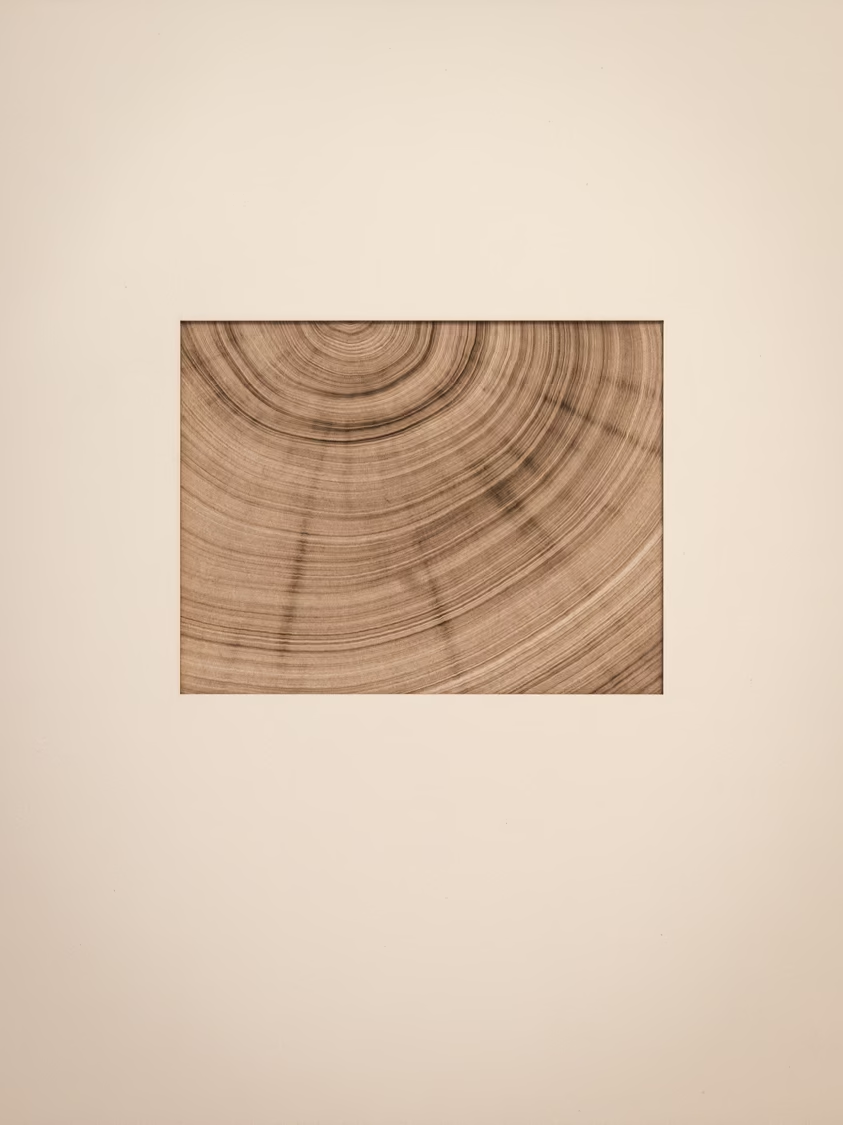
Across this body of work, interaction shifts from spectacle to awareness. The projects ask how much we alter the environments we inhabit and how those environments, in turn, shape our behaviour. They suggest that influence is continuous, often imperceptible, and rarely symmetrical.
By reframing interaction as disturbance within a field rather than communication with a device, these works reveal space as an active system. What emerges is not a sequence of responses but a condition of mutual transformation, where presence leaves traces even when nothing appears to happen.
There is more to explore
Each portfolio offers unique perspectives on how ideas evolve and connect over time.